

 Call To Schedule A Tour
Take A Look Through Our
Planting
- Heavenly Hoop Houses
- Dec 08, 2025
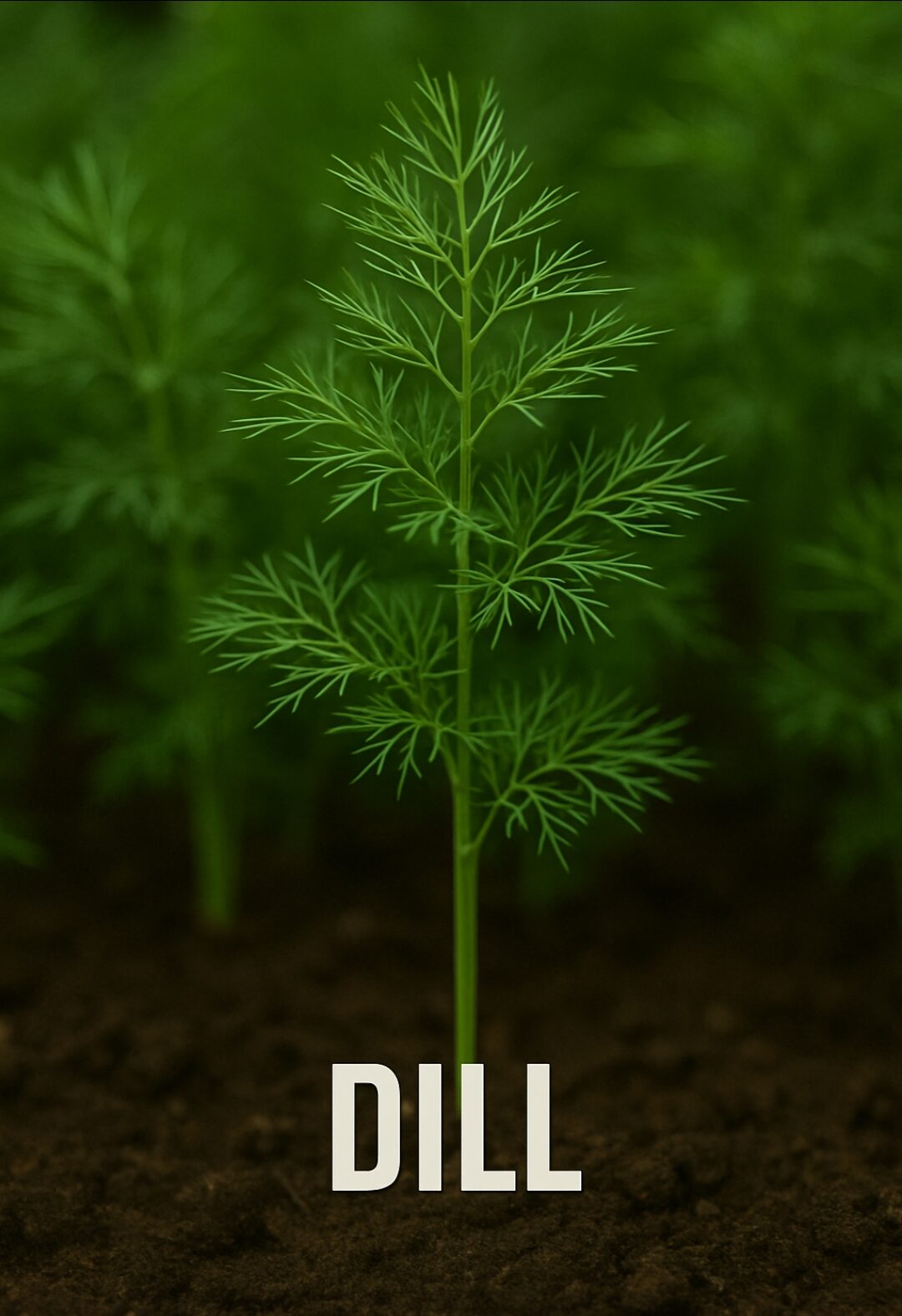
Dill
Planting Time Dill grows best when planted in early spring or late summer. It prefers cool weather and bright light. High heat can make it flower too soon, so planting before the hottest months helps it stay leafy and productive. Dill is simple and dependable, bringing fresh aroma and charm to any garden.
Depth & Spacing Sow seeds one quarter inch deep and thin seedlings to stand twelve to fifteen inches apart. Dill grows tall and airy, so giving each plant space keeps them upright and strong. Proper spacing prevents the common problem of plants falling over when the wind blows.
Soil & Fertilization Dill prefers loose, well drained soil with a modest amount of compost. It does not need heavy feeding. Too much nitrogen makes the plant tall and weak. A light compost mix at planting time keeps dill flavorful and sturdy without causing it to grow too fast.
Watering Needs Water dill regularly to maintain lightly moist soil, especially during early growth. Once mature, it tolerates short dry spells but grows best with steady moisture. Overwatering creates soft, unhappy roots. Aim for balanced moisture that keeps the soil comfortable but never soaking.
Sunlight Requirements Dill grows best in full sun, which produces strong stems and bold flavor. It tolerates partial shade, but too much reduces flavor, making stalks thin and weak. Good sunlight helps dill reach its full potential for both cooking and pickling.
Harvesting Harvest leaves when the plants reach eight to twelve inches tall. Snip fronds early in the day for the strongest flavor. To harvest seeds, wait until the flower heads turn brown and the seeds begin to dry. Dill seeds add great flavor to pickles, breads, and soups and store well for long periods.
Captain Greenhouse Tip Dill reseeds itself naturally, so once you plant it, expect it to return year after year. For a steady supply, stagger new plantings every two to three weeks. If you want fuller plants, pinch off early flower buds. With a little care, you will always have plenty of fresh dill for cooking, canning, and sharing.