

 Call To Schedule A Tour
Take A Look Through Our
Planting
- Heavenly Hoop Houses
- Dec 08, 2025
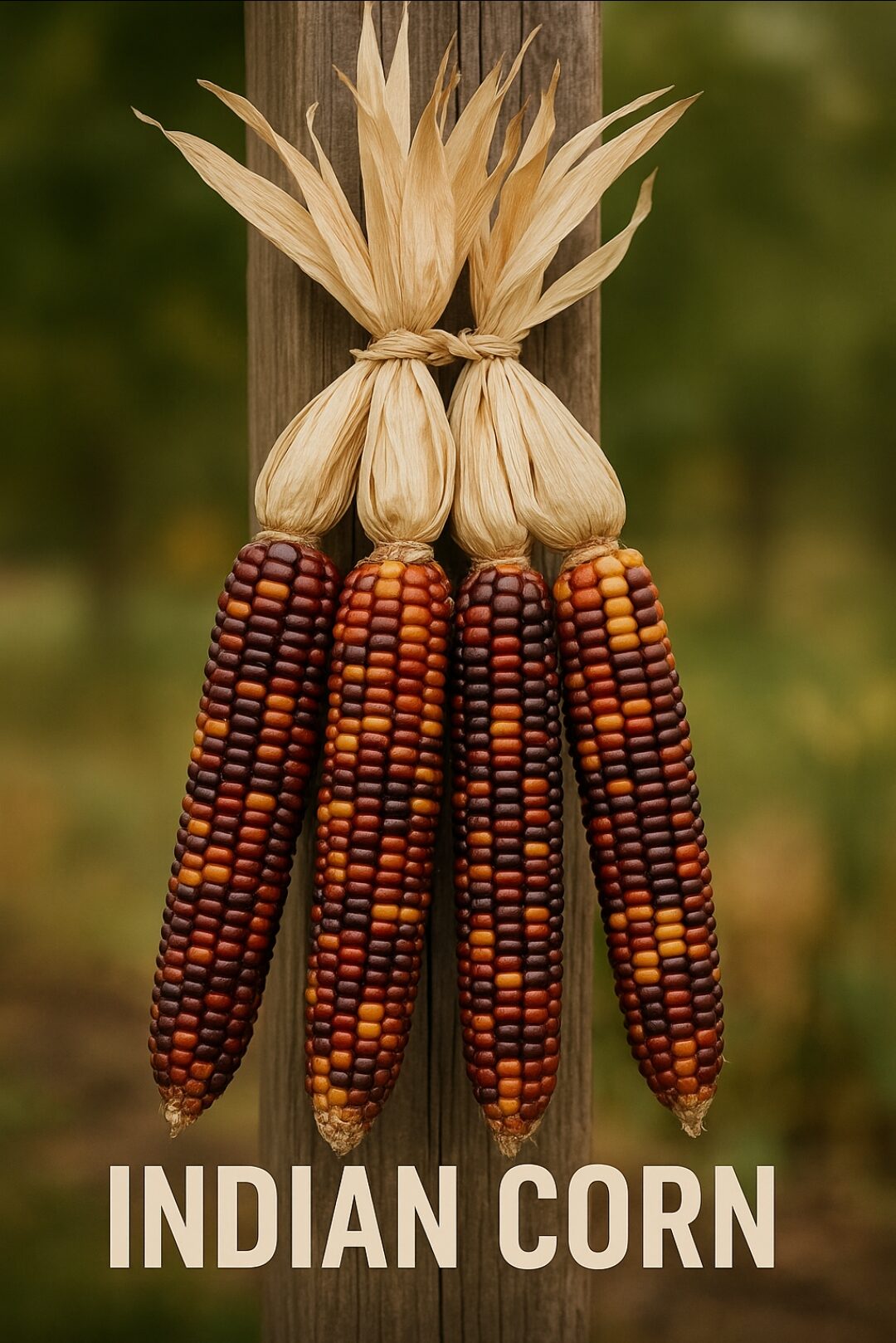
Indian Corn
Planting Time Plant Indian corn once the soil has warmed to at least sixty degrees. This colorful heirloom loves heat, sunshine, and elbow room. Planting too early will leave the seeds shivering in the dirt like a rookie cowboy at his first rodeo. Warm soil gives these kernels the confidence to sprout tall and proud.
Depth & Spacing Sow seeds one inch deep and one half inches deep and space plants ten to twelve inches apart. Rows should be spaced thirty to thirty six inches. Indian corn grows tall and wide, so give it room or it will start leaning like a corn hit by a spring storm. Proper spacing keeps airflow strong and prevents tangled stalks.
Soil & Fertilization Indian corn thrives in fertile, well drained soil with plenty of organic matter. This crop is a heavy feeder, so a good compost boost or balanced fertilizer goes a long way. Avoid avoiding nitrogen or you will grow stalks tall enough to scrape the sky with no ears to show for it. Balanced nutrition builds big, colorful kernels.
Watering Needs Keep soil consistently moist during early growth and as ears develop. Dry spells stunt the ears and shrink kernels. Water deeply once or twice a week depending on heat. Think steady, dependable moisture-the kind of routine an old cowboy appreciates. Mulching helps maintain moisture and reduces weeds trying to crash the party.
Sunlight Requirements Indian corn needs full sun, at least six to eight hours daily. The more sunlight it gets, the richer the colors and the stronger the stalks. Shade-grown corn becomes leggy and frail, kind of like trying to rope a bull in a broom closet. Sunshine brings out those famous reds, blues, yellows, and purples.
Harvesting Harvest Indian corn when husks dry and kernels become firm and glossy. Leave the ears on the stalk until fully mature for the best color. After picking, hang ears to dry in a warm, airy place. Once dry, they become stunning decorations, grinding cornmeal, or popping corn, if you like your snacks with personality.
Captain Greenhouse Tip For Indian corn that looks like it belongs in a harvest festival centerpiece, plant several short blocks instead of one long row. Corn pollinates best when grown in clusters. Better pollination means fuller ears and richer colors. Grow enough and you will have neighbors knocking on your door wanting to trade pies, pumpkins, and who knows what else for a few ears of your show stopping corn.