

 Call To Schedule A Tour
Take A Look Through Our
Planting
- Heavenly Hoop Houses
- Dec 08, 2025
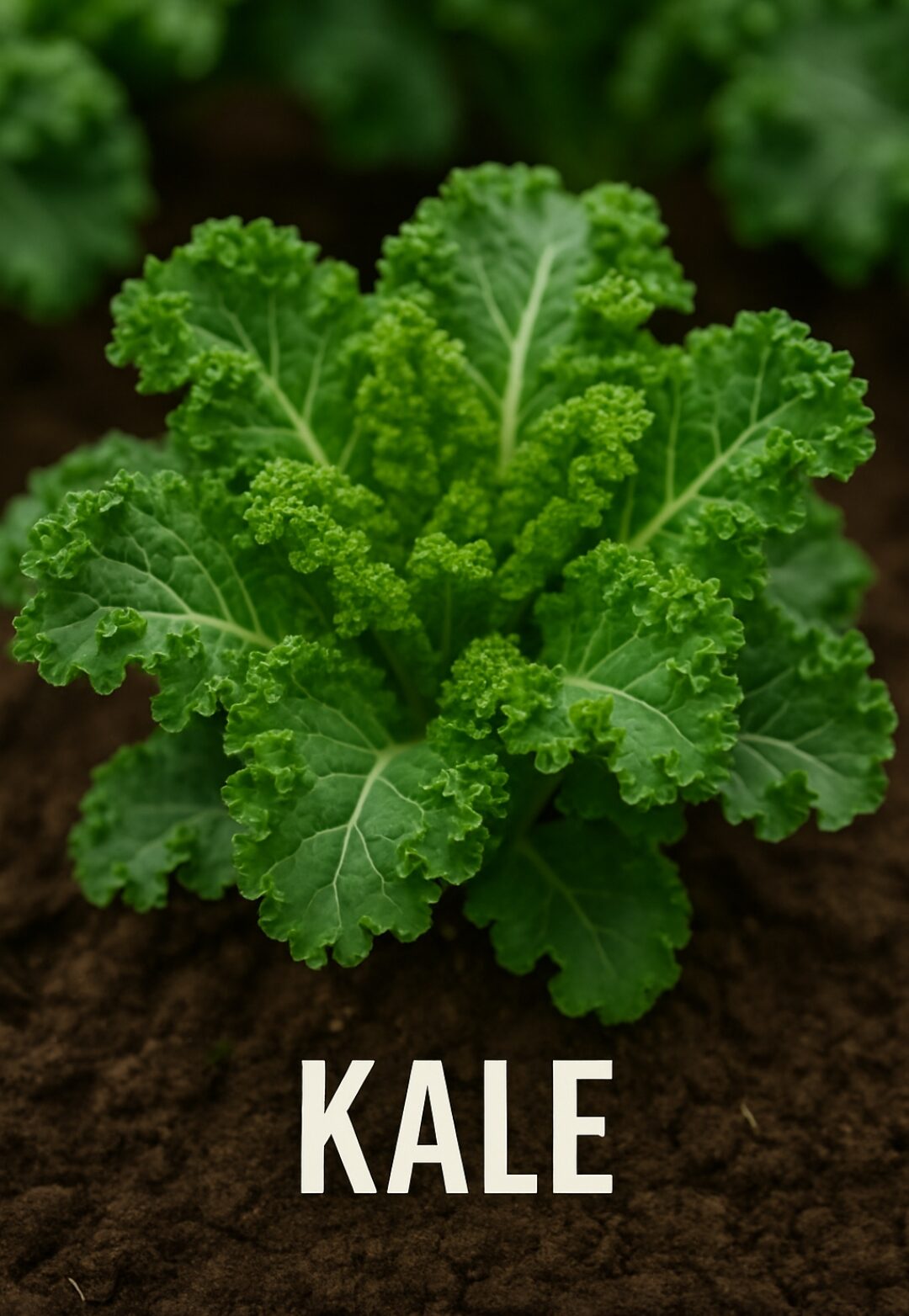
Kale
Planting Time Kale is the tough-as-nails cowboy of the leafy greens world. Plant it in early spring or fall when temperatures are cool enough to make you grab a light jacket but not cold enough to freeze the dog’s water bowl. Kale laughs at frost, shrugs at cold snaps, and keeps on growing long after other veggies throw in the towel like a rookie at a rodeo.
Depth & Spacing Plant seeds about one half inch deep and space them twelve to eighteen inches apart. Give kale room to stretch like a ranch hand waking up from a long nap. Too crowded and leaves get small and bitter. With proper spacing, kale grows big, bold, and leafy enough to make a rabbit weep with jealousy.
Soil & Fertilization Kale thrives in rich, well-drained soil with plenty of compost. If your soil looks dark and crumbly like chocolate cake, then you’re halfway there, partner! Kale needs a shot of high-nitrogen fertilizer during the growing season. Avoid compacted soil that clings to your boots like an overly affectionate stray dog.
Watering Needs Water regularly and deeply so the soil stays moist but never flooded. Kale can handle dry spells better than most greens, but its leaves shrivel up like an old boot. Ideally, target one inch of soil moisture. Channel the water to the base to keep leaves dry, because soggy foliage invites disease faster than free pie attracts hungry minstrels.
Sunlight Requirements Kale loves full sun but will also tolerate partial shade, especially in hot climates. Too much blazing heat and kale gets cranky, curling up like a cowboy hiding from chores. Morning sun and light afternoon shade make kale grow lush, crisp, and flavorful.
Harvesting Harvest leaves when they reach the size of your hand or bigger. Pick the outer leaves first, letting the plant continue producing from the center. Kale is a giving plant, like a grandma who insists you leave with leftovers. Keep on picking, and it keeps growing. Frost even sweetens the leaves, making late-season kale taste better than early-season batches.
Troubleshooting Flea beetles, cabbage worms, and flea beetles may treat your kale like an all-you-can-eat buffet. Knock pests off with water, hand-pick caterpillars, and use row covers during peak infestation times. Avoid overhead watering to reduce disease. If leaves yellow, your kale is begging for more nitrogen or better drainage. Fix those, and kale bounces back like a stubborn bull refusing to sit down.
Captain Greenhouse Tip Kale gets sweeter after a frost, so let Mother Nature do the seasoning for you. Treat kale right with steady water and rich soil and it will feed you longer than most garden crops. Harvest often, keep pests in check, and let this leafy champion prove why it’s the heavyweight of the greens world.