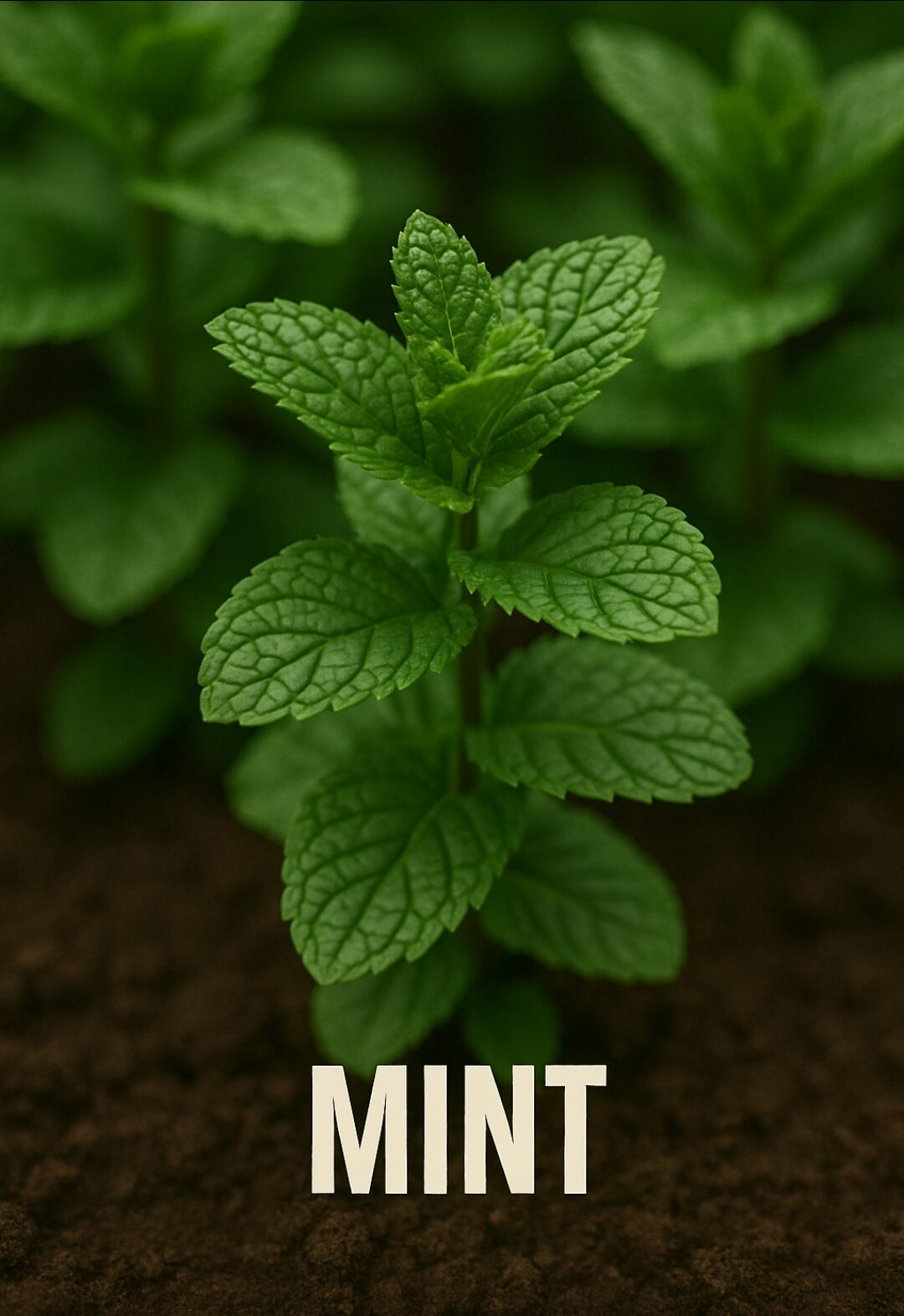
Mint

Planting Time Mint is one of the easiest herbs to grow and can be planted in early spring once the soil has warmed. This hardy plant takes off faster than a cowboy chasing a runaway hat. Mint thrives in mild temperatures and quickly establishes itself in the garden, spreading with enthusiasm.

Depth & Spacing Plant mint at the same depth as it grew in its pot and space plants eighteen to twenty four inches apart. Mint spreads aggressively and will take over the whole ranch if you let it. Planting in containers or using barriers helps keep it from wandering too far. Give it room, but always keep an eye on it.

Soil & Fertilization Mint prefers moist, well drained soil rich in organic matter. It is not picky and grows well even in average soil. Avoid heavy fertilizers, as mint grows vigorously on its own. A little compost is enough to keep it lush and flavorful.

Watering Needs Mint loves consistent moisture. Water regularly to keep soil slightly damp, especially during hot weather. Dry spells can lead to wilting and loss of flavor. Overwatering, however, can lead to root rot. Aim for balanced moisture that keeps the plant hardy and aromatic.

Sunlight Requirements Mint grows in full sun to partial shade. In hot climates, some afternoon shade keeps it from drying out. Sunshine gives mint its essential oils, which means flavor. Too much heat can stress the plant. Find that sweet spot where it gets bright light without scorching.

Harvesting Harvest mint leaves as soon as plants reach six to eight inches tall. Pick often, as frequent harvesting encourages fresh growth. For the strongest flavor, harvest in the morning before the sun warms the leaves. Mint dries well and freezes beautifully, keeping its fragrance for months.

Captain Greenhouse Tip Mint spreads fast, so consider planting it in a pot or using underground barriers to contain it. Trim it regularly to prevent it from becoming leggy. And remember, a little mint goes a long way-whether in tea, desserts, or a cowboy’s glass of sweet mint lemonade.
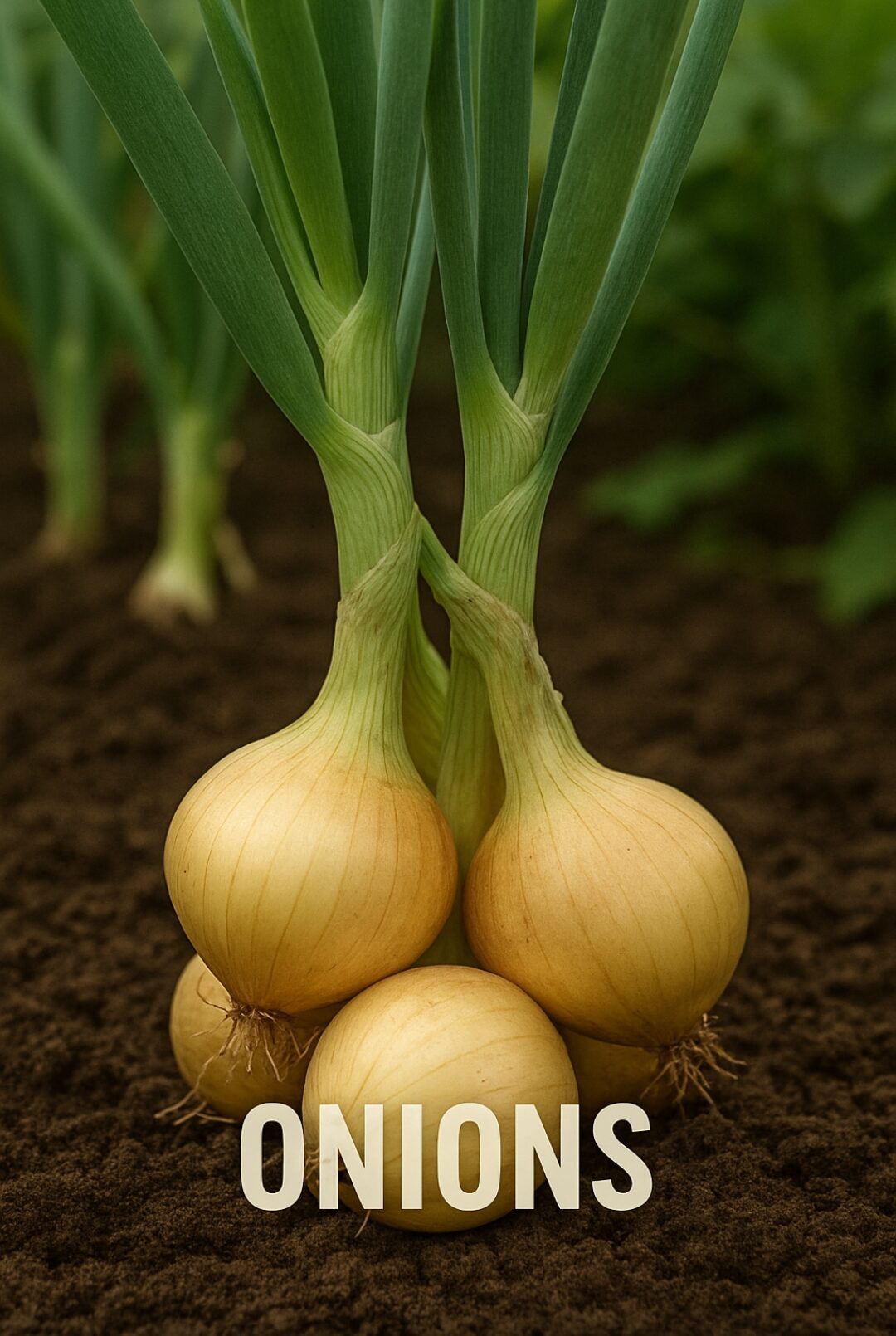
Onions

Planting Time Onions like to be planted early in the spring. They are tougher than a boot heel. Plant them from seeds, sets (small bulbs), or transplants. If you plant too late in the summer, they’ll bolt instead of making a nice bulb.

Depth & Spacing Plant onion sets about one inch deep and four inches apart. If planting seeds, scatter them then thin to four inches apart. Rows should be a foot apart.

Soil & Fertilization Onions need loose, well-drained soil rich in organic matter. They are hungry for nitrogen early in the season to build big green tops. Too much nitrogen late will make a monster neck and a small bulb.

Watering Needs Onions have shallow roots and need steady water. Give them about one inch of water a week. Stop watering once the tops start falling over for harvest.

Sunlight Requirements Full sun is best. The more sun they get, the better they will bulb. Six to eight hours is minimum.

Harvesting Harvest when the tops turn yellow and flop over. Knock down any tops that are still standing. Cure the bulbs by leaving them in a dry, shady spot for a week or two.

Troubleshooting Watch out for onion maggots, thrips, and purple blotch. Crop rotation is key to avoiding soil diseases.

Captain Greenhouse Tip Onions can be started indoors in flats up to twelve weeks before the last frost. This gives you a serious jump start on the growing season.

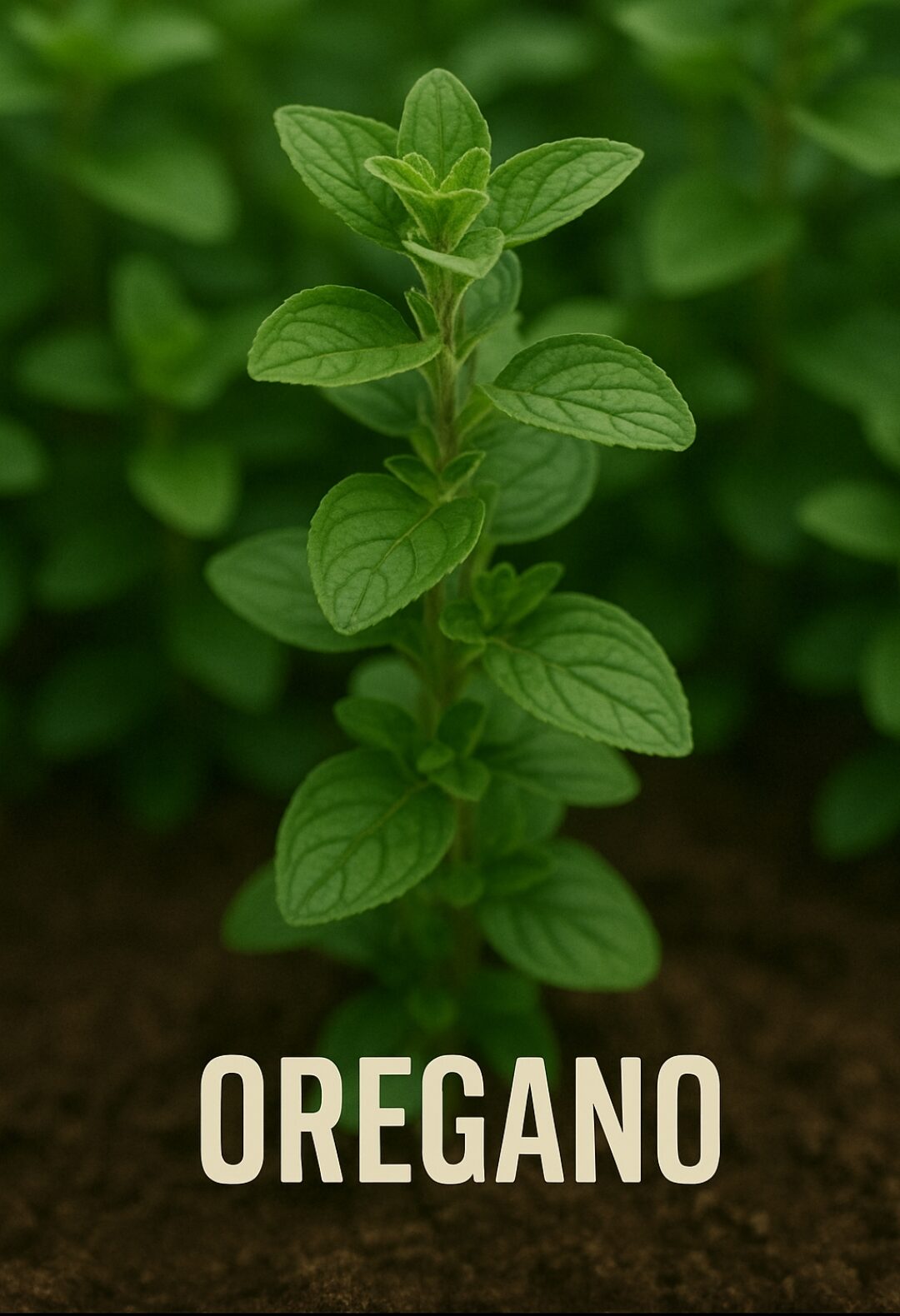
Oregano

Planting Time Oregano thrives in warm weather and should be planted in late spring once the soil has warmed. It loves sunshine and dry air, making it a perfect fit for gardeners who forget to water now and then. This herb grows slow at first, but once it settles in, it spreads like a rumor in a small town.

Depth & Spacing Plant oregano at the same depth it grew in its pot and space plants twelve to eighteen inches apart. It forms a low, bushy mound that behaves like a well-mannered dog. Give it room to breathe and it will reward you with a thick, carpet of fragrant leaves.

Soil & Fertilization Oregano prefers light, well drained soil and does best with minimal fertilizer. Rich soil and heavy feeding makes it grow soft and leggy. Lean soil brings out the stronger flavor. A little compost at planting is all it needs to get started and keep growing steady.

Watering Needs Water oregano regularly during early growth, then reduce watering once plants are established. It handles drought like a seasoned cowboy, not bothered by a dry spell. Overwatering, however, leads to root rot and weak growth, so let the soil dry slightly between drinks.

Sunlight Requirements Oregano thrives in full sun. The more sun it gets, the stronger its aroma and flavor. It tolerates a bit of shade but too much reduces its essential oils and makes it taste bland. Sunshine makes oregano bold and hearty, exactly what you want in the kitchen.

Harvesting Harvest sprigs once plants reach four to six inches tall. Regular harvesting encourages new growth and keeps plants compact. For drying, harvest stems just before flowering when the flavor is strongest. Oregano stores well and keeps its flavor even after months in the pantry.

Captain Greenhouse Tip Oregano is one of the toughest herbs you can grow. Trim it often to keep it from turning woody and to manage the way it spreads too far, divide the plant and share with neighbors. A little patch of oregano goes a long way and makes any backyard cook feel like a seasoned chef.

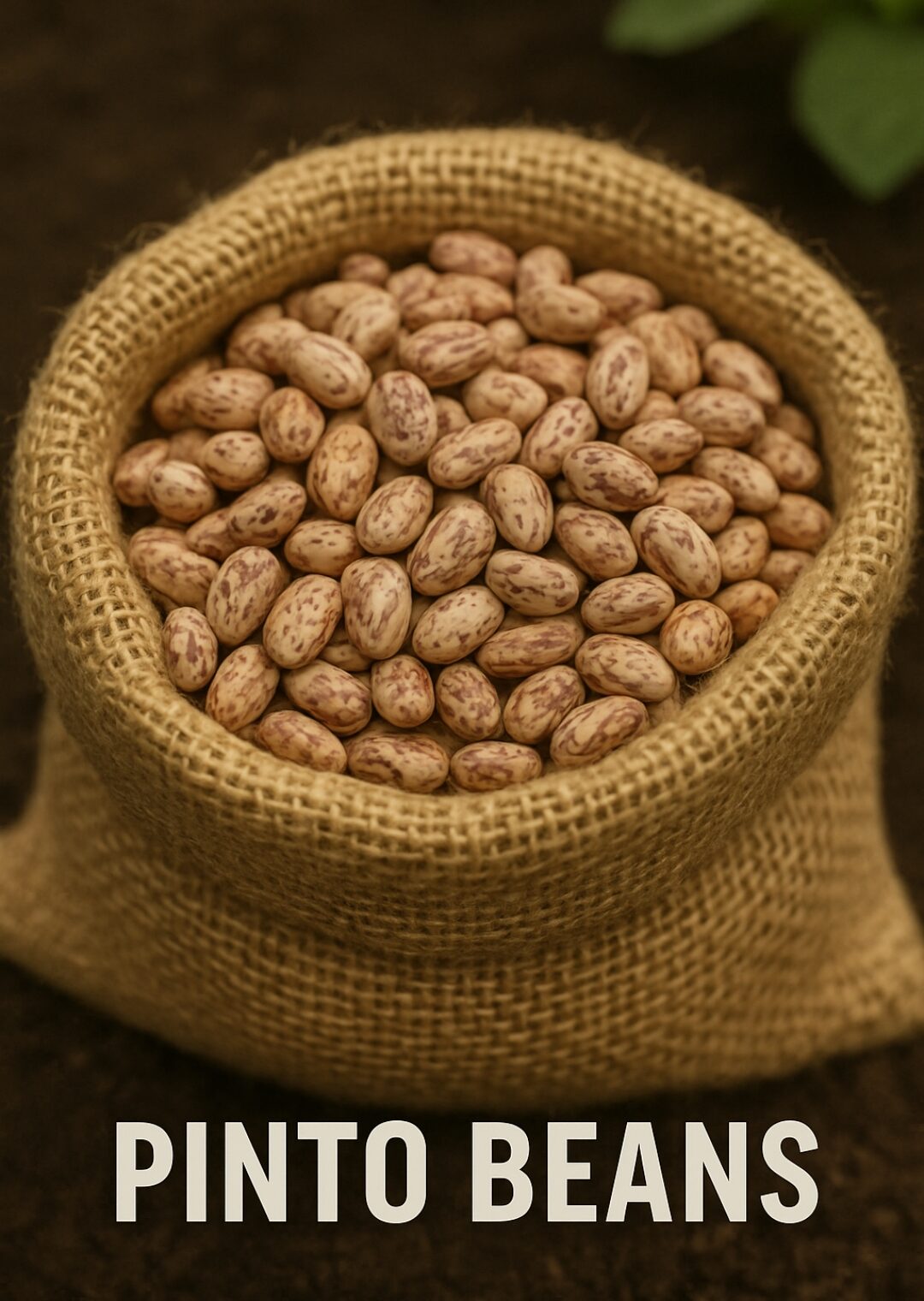
Pinto Beans

Planting Time Pinto beans love warm soil and should be planted in late spring once temperatures stay above fifty-five degrees. They sprout quickly and grow steady, behaving like a dependable cowboy ready for a long day’s work. Avoid planting too early, as cold soil slows them down and can stunt early growth.

Depth & Spacing Sow seeds one to one and one half inches deep and space plants four to six inches apart in rows twenty-four to thirty inches. Pinto beans grow upright and tidy, never sprawling unless crowded. Giving them proper room encourages strong stems and heavy pod production.

Soil & Fertilization Pinto beans grow best in loose, well drained soil. They fix their own nitrogen, so avoid heavy fertilizer. Rich soil makes them lazy and leafy instead of productive. Lightly amended soil with compost provides everything they need to produce heavy beans perfect for soups, chilis, and cowboy campfire meals.

Watering Needs Water regularly during early growth and flowering. Keep soil evenly moist but never soggy. Dry spells during pod set reduces yields and creates smaller beans. Once pods mature, reduce watering to avoid splitting. Think steady and balanced, like filling a stock tank without overflowing it.

Sunlight Requirements Pinto beans need full sun to produce heavy yields. Six to eight hours of sunlight daily builds strong vines and full pods. Shade weakens plants and reduces the bean count. Sunshine powers these beans the same way biscuits power a ranch hand.

Harvesting Harvest fresh beans when pods swell but are still green, or allow them to dry on the plant for true dried pinto beans. Dried pods turn tan and rattle when shaken. Pull plants and hang them to finish drying for best threatens. Once dry, shell and store beans in airtight containers for long term use.

Captain Greenhouse Tip For heavy yields, avoid overwatering once beans mature. Pinto beans thrive on warmth and sunshine, but watering just enough lightly to hold soil moisture early on, then let the heat do the rest. Grow a big enough patch and you’ll have beans to share with half the county or at least enough to keep your chili pot full all winter.

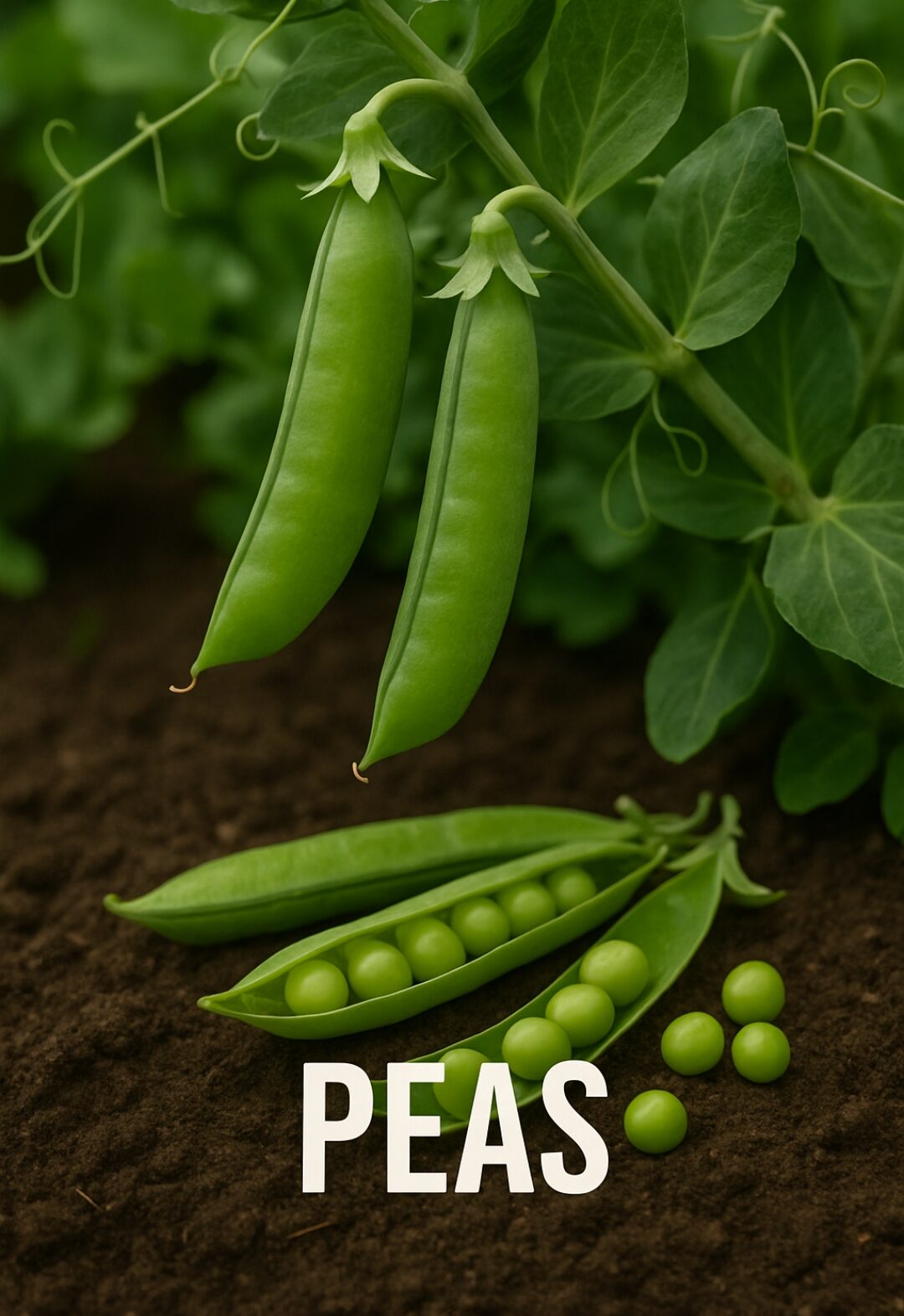
Peas

Planting Time Peas thrive in cool weather and are one of the first crops you can plant in early spring. As soon as the soil can be worked and temperatures stay above freezing, they are ready to go. They do not appreciate heat and will quit producing once summer heat rolls in. Planting early ensures a long, sweet harvest from vines eager to climb and grow.

Depth & Spacing Plant seeds one inch deep and space them two inches apart along rows spaced eighteen to twenty four inches. Peas like to climb, so provide a trellis, fence, or stakes. Without support, they sprawl like a tired cowboy after chores and produce fewer pods. Proper spacing improves airflow and boosts yields.

Soil & Fertilization Peas prefer loose, well drained soil and do best with actually help enrich soil by fixing nitrogen. Avoid heavy nitrogen fertilizers, which grow lots of leaves but few pods. A little compost is enough to get them started strong and productive.

Watering Needs Keep soil consistently moist but not soggy. Peas need steady water during flowering and pod development. Dry spells make them tough and they can inside shriveling. Think gentle, regular watering, like topping off a horse trough each morning. Mulch helps keep moisture steady.

Sunlight Requirements Peas grow best in full sun but tolerate partial shade, especially as temperatures warm. Full sun provides strong and bright light. Shade during hot afternoons can actually help prolong their productivity. Too much heat turns peas stubborn and bitter.

Harvesting Harvest peas when pods feel plump but not overly tight. Snap peas and snow peas are best while pods are crisp and tender. Shelling peas should be picked when pods swell noticeably. Pick often as frequent harvesting encourages more pods to grow. Waiting too long makes peas starchy and less sweet.

Captain Greenhouse Tip Peas climb eagerly, so give them support early to prevent tangled vines. Plant a second wave two weeks after the first to extend your harvest. And remember, peas love cool soil, so do not wait for nice weather. Get them in early and they will reward you with sweet pods that taste like springtime itself.

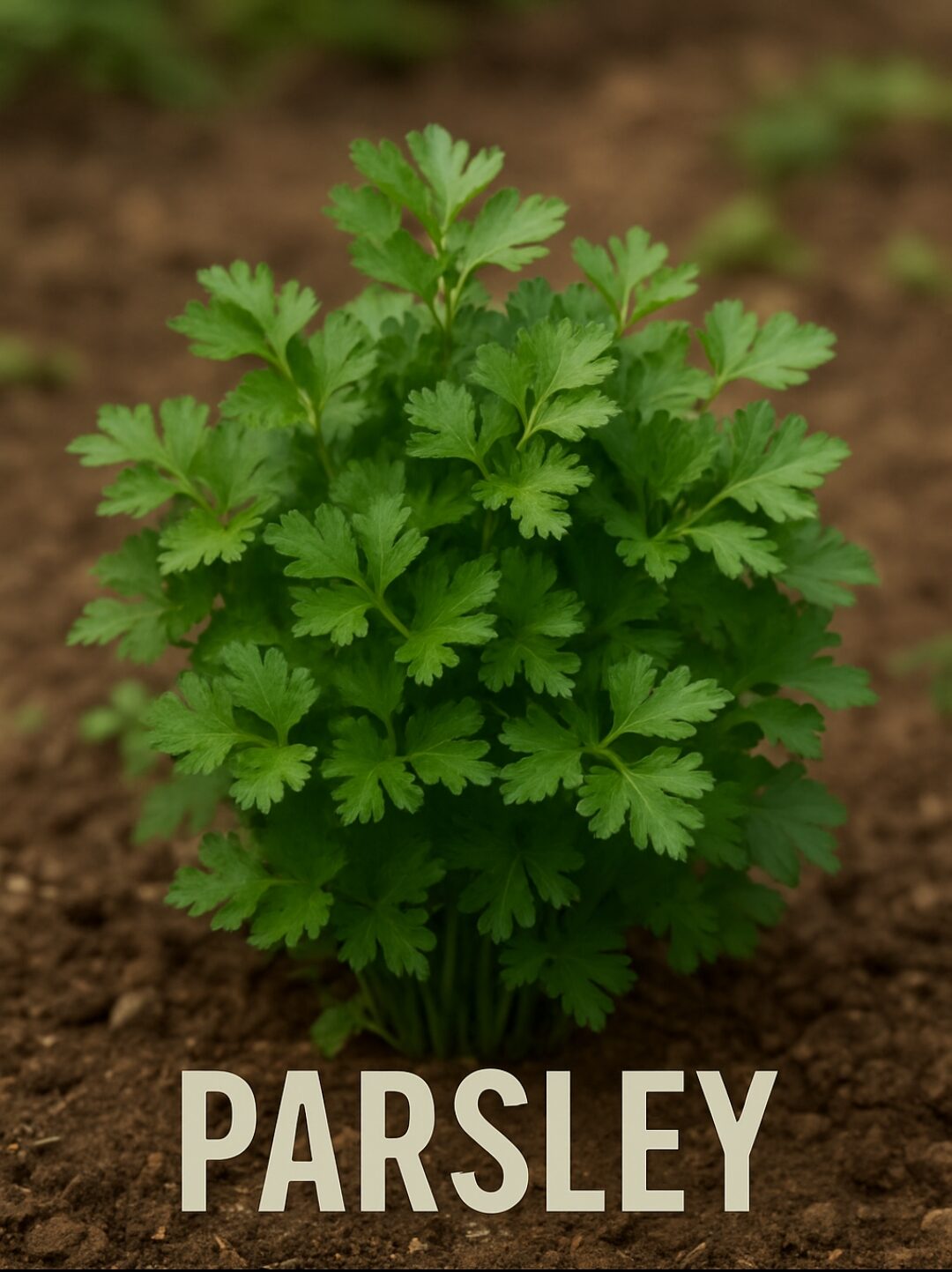
Parsley

Planting Time Parsley is a cool season trooper that likes to get a head start before the heat settles in. Plant it in early spring once the soil can be worked. It handles chill better than most folks at a chili fair or pie-eatin’ booth. As summer approaches early, give parsley a little shade and it will keep chugging along like a mule on payday.

Depth & Spacing Plant seeds one-quarter inch deep and give eight to ten inches of space per plant. Parsley appreciates elbow room. Crowding it will slow growth faster than a broken wheel on a farm wagon. Thin seedlings early to keep the strongest ones happy and productive.

Soil & Fertilization Parsley prefers well-drained soil rich in organic matter. A little compost goes a long way. Too much nitrogen will grow big fancy leaves with flavor so weak it would not win a taste test against a cardboard box. Balance your soil and parsley will reward you with vibrant, flavorful greens.

Watering Needs Keep the soil evenly moist but never swampy. Parsley can handle a dry day or two, but long droughts will make it pouty and bitter. Water consistently like you are keeping a prized horse hydrated before a long trail ride. Mulch helps hold moisture and keeps weeds from moving in uninvited.

Sunlight Requirements Parsley grows best in full sun but will tolerate partial shade, especially in hot climates. Think of it like a cowboy on a porch-happy in the sun, but mighty grateful for some shade when the day gets scorching. More sun equals fuller, richer flavor.

Harvesting Begin harvesting when the plant is well established and has several clusters of leaves. Cut outer stems first and let the inner ones keep growing. Parsley is a year-round-campaign champion, producing fresh greens for months. Avoid cutting the center crown, or the plant will give you the silent treatment and stop growing.

Captain Greenhouse Tip If you want parsley that will make your kitchen smell like an herb garden grand champion, soak the seeds overnight before planting. Parsley seeds are tougher than a two dollar steak and slow to sprout. A little pre-soak wakes them up and gets them moving. Plant several patches, and you will have enough parsley to garnish every plate from here to next Sunday’s potluck.

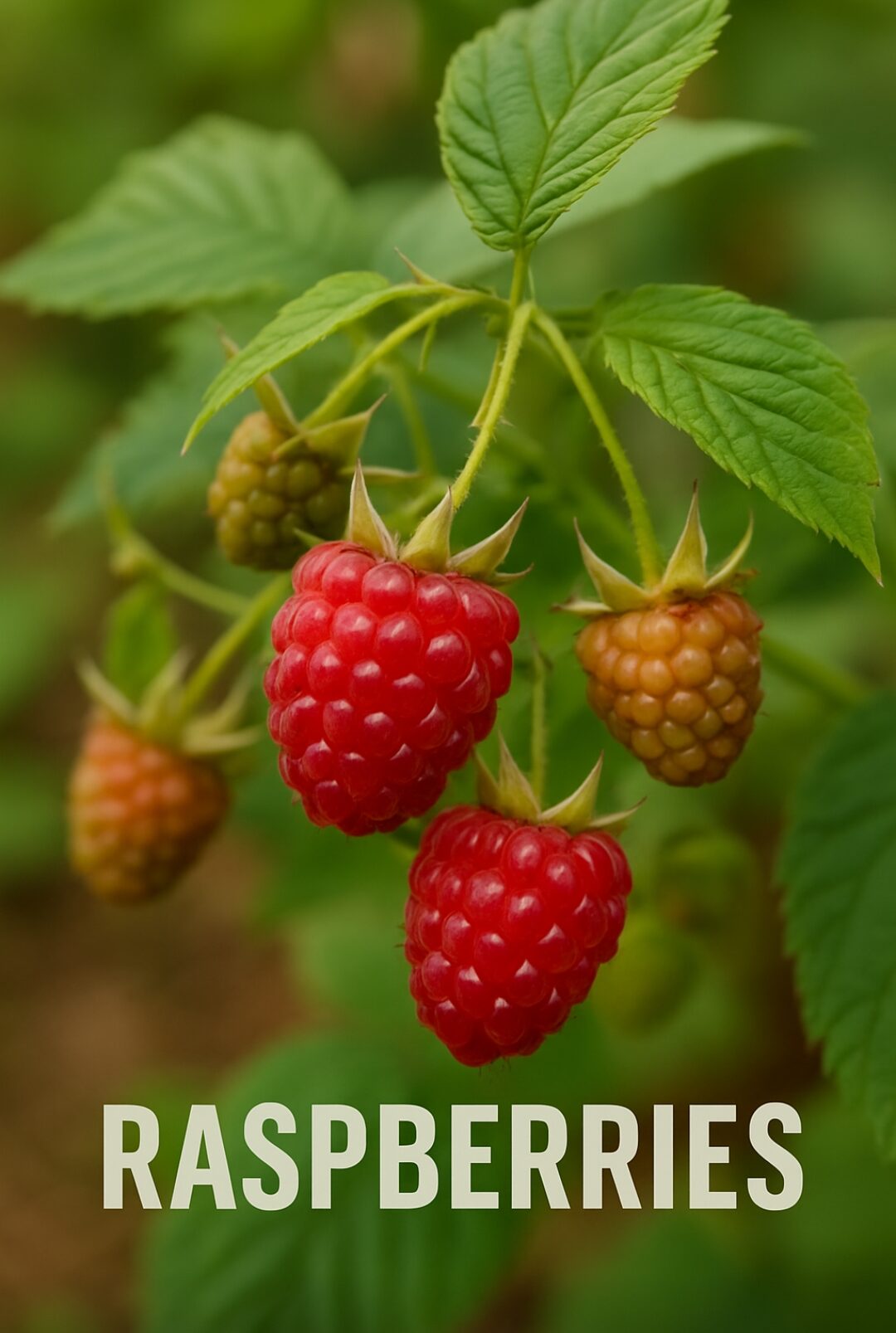
Raspberry

Planting Time Raspberries thrive when planted in early spring or late fall while the soil is cool and manageable. These canes settle in quickly, sending roots deep like they are putting down a mortgage. Once they are established, raspberries grow with the enthusiasm of a cowboy bringing in a big delicious harvest every summer or everbearing varieties depending on how long you want your harvest season.

Depth & Spacing Plant canes at the same depth they grew in their nursery pots. Space them eighteen to twenty four inches apart in rows that sit six to eight feet apart. Raspberries spread through underground runners, so give them room or they will take over the yard faster than gossip spreads in a small town diner.

Soil & Fertilization Raspberries prefer rich, well drained soil with plenty of organic matter. Add compost before planting and avoid heavy nitrogen fertilizers that grow leaves the size of saddle blankets but offer little fruit. Balanced nutrition encourages firm, juicy berries that taste like sweet summer sunshine.

Watering Needs Consistent moisture is key. Water deeply once or twice a week depending on heat, keeping the soil evenly moist. Dry spells produce tiny berries with no attitude, while overwatering invites root rot disease. Think steady and reliable, like a surefooted horse on a narrow trail.

Sunlight Requirements Raspberries produce best in full sun, though they will tolerate light shade. Six to eight hours of sun is what daily gives you plump, boldly flavored berries that shame store bought fruits in sour berries that taste like disappointment. Light and warmth bring out their sweetness.

Harvesting Harvest raspberries when they turn deep red, pull away easily from the core, and feel soft but not mushy. Ripe berries melt in your mouth and stain your fingers like a badge of honor. Pick often-ripe raspberries do not wait around. Birds know when they are ready too, so keep an eye out!

Captain Greenhouse Tip Mulch heavily around raspberry plants to hold moisture, keep weeds at bay, and cool their shallow roots. Prune spent canes after harvesting to encourage new growth for the next season. With a little raspberry plants will produce baskets per year, rewarding you with berries so good you might not even make it back to the house before eating them.

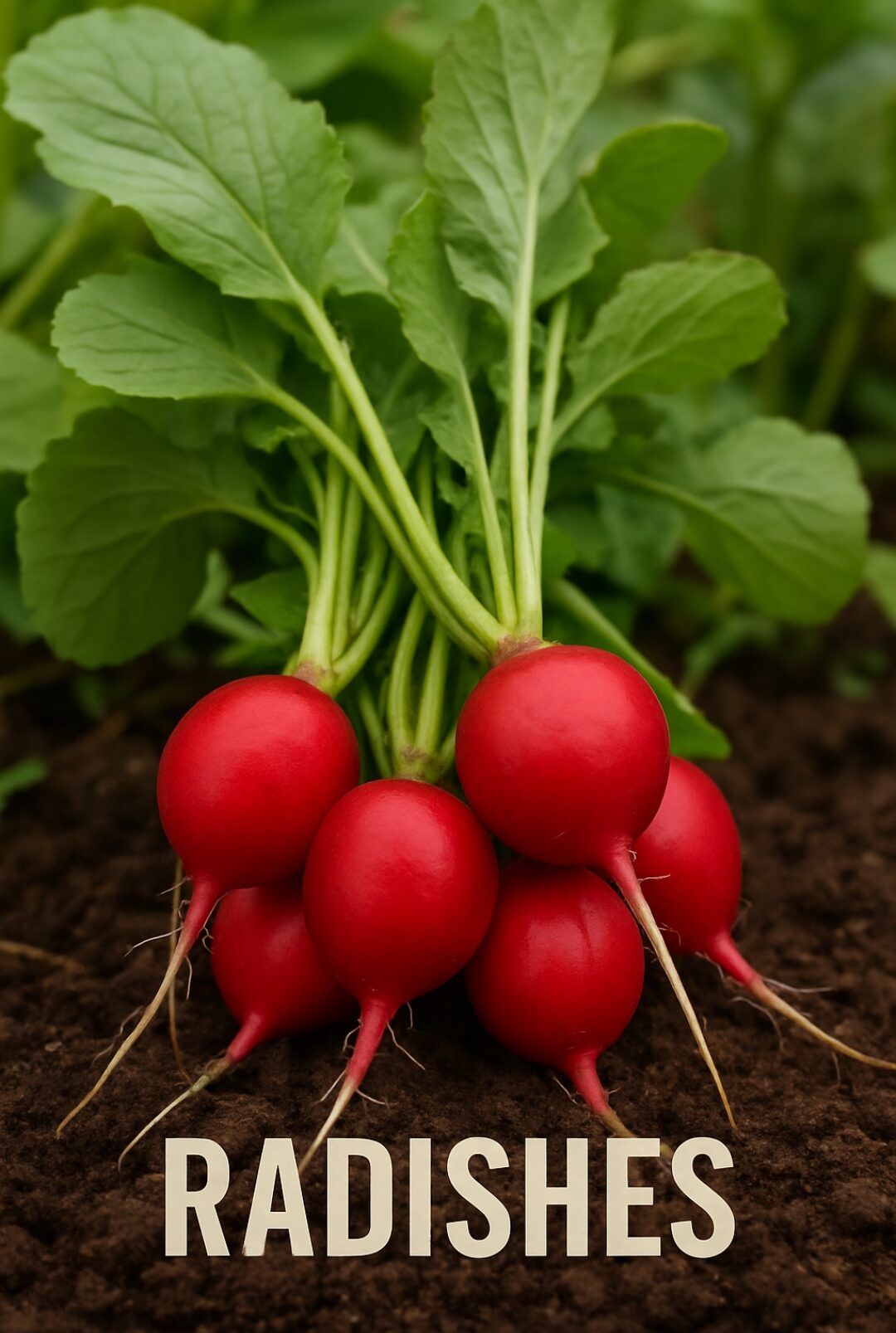
Radishes

Planting Time Radishes are the sprinters of the garden world, ready to run the moment you drop the flag. Plant them in early spring or fall when the weather is cool and steady. They sprout fast, popping up like prairie dogs watching for bootstraps. Warm weather makes them bolt, woody, and hard faster than you can say knife. Cool seasons keep them calm, crisp, and ready for your dinner plate.

Depth & Spacing Sow seeds one-half inch deep and one inch apart in rows spaced twelve inches. Radishes may be tiny, but they need space to plump up. Crowding them creates thin roots that look more like an insult than a root. Proper spacing keeps them happy, and they will reward you with full, juicy globes that crunch louder than a cowboy biting into fresh cornbread.

Soil & Fertilization Radishes prefer loose, well drained soil with just enough nutrients to keep them moving. A little compost goes far. Too much nitrogen grows big leafy tops but roots so small you will swear the plant is hiding them out of embarrassment. Balanced soil builds flavor, color, and that famous radish snap that lets the whole county know you grow good produce.

Watering Needs Steady moisture is the secret to tender, mild radishes. Dry spells toughen them up and turn their fiery enough to make a cowboy tear up. Water consistently like you are keeping a prized horse hydrated before a long trail ride. Mulch helps hold moisture and keeps weeds from moving in uninvited.

Sunlight Requirements Radishes thrive in full sun but happily tolerate partial shade, especially during warmer spells. Too much heat and they shut down and bolt upward, abandoning root growth entirely. Give them sunshine, cool breezes, and steady watering, and they will behave like perfect garden citizens.

Harvesting Most varieties mature in three to four weeks, which is faster than most gardeners remember to check them. Harvest when they reach about one inch in diameter. Leaving them too long makes them woody, hot, and hard to chew. Fresh, crisp radishes are a hand’s delight and perfect for salads, snacking, or showing off to neighbors.

Captain Greenhouse Tip For continuous harvests, sow a new row every week or two. Radishes grow so fast you can practically time them with your train. Try pairing radishes with carrots-radishes mark the row quickly while carrots take their sweet time. By the time you pull the radishes, the carrots are settling in. It is the perfect garden tag team, proving once again that smart planting beats hard work every time.

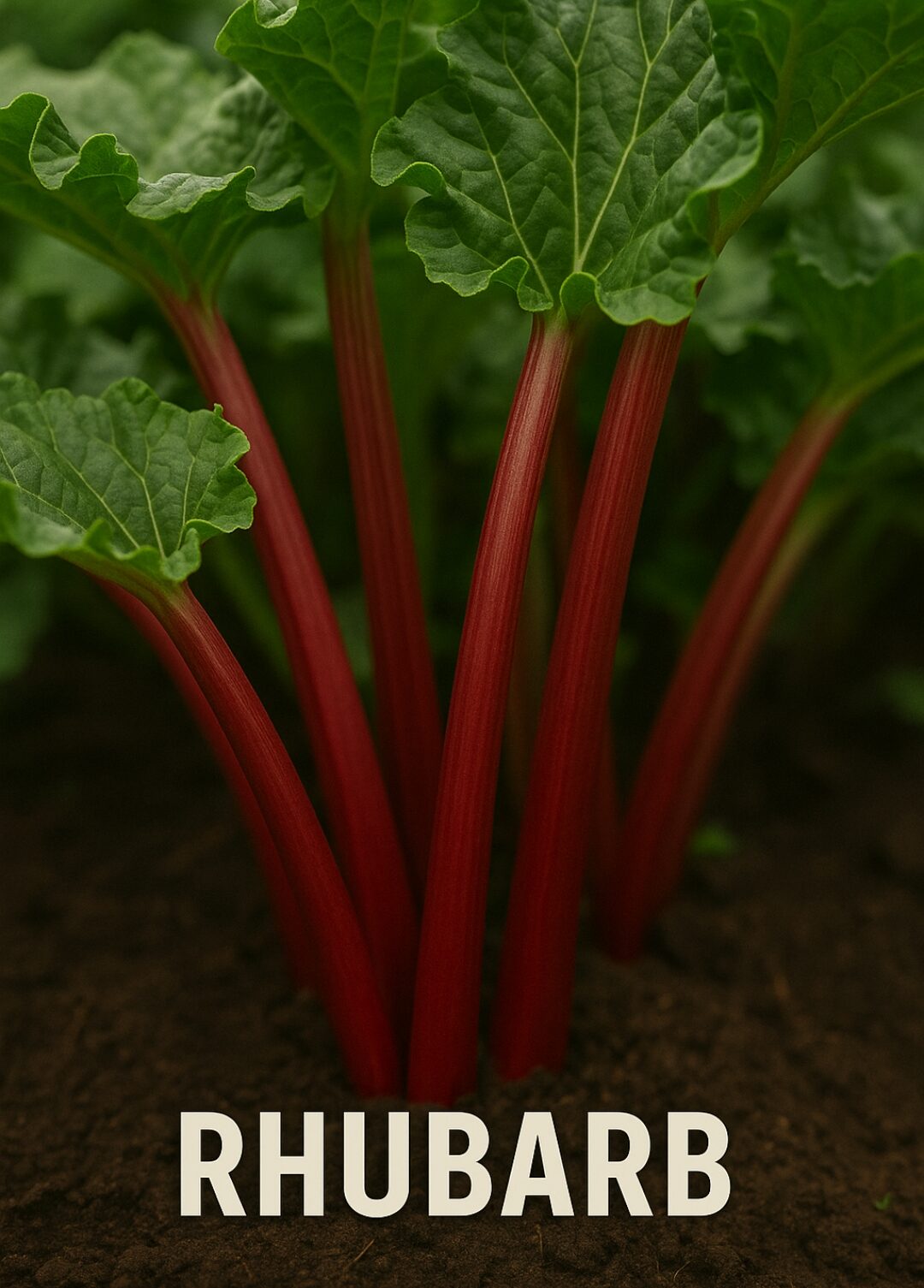
Rhubarb

Planting Time Rhubarb is tougher than a mule with an attitude. Plant crowns as soon as the soil can be worked. Rhubarb loves that crisp early-season chill.

Depth & Spacing Plant crowns about 1 to 2 inches below the soil surface, with buds pointing upward. Space plants 18 to 24 inches apart.

Soil & Fertilization Rhubarb thrives in rich, well-drained soil with lots of compost mixed in. Avoid heavy nitrogen fertilizers or you’ll wind up with monster leaves and weak stems. A balanced fertilizer in early spring keeps the plant happier.

Watering Needs Rhubarb likes consistent moisture, around 1 inch of water a week. Water at the base and keep the leaves dry. Mulch helps keep soil moist and cool longer.

Sunlight Requirements Full sun is best, but rhubarb can handle a little afternoon shade without complainin’. Give it at least 6 hours of sunlight.

Harvesting Harvest stalks when they’re thick, crisp, and brightly colored. Grab the stalk at the base and pull with a sharp tug.

Troubleshooting Watch out for crown rot, slugs, aphids, and fungal diseases. Crown rot shows up in soggy soil. Aphids can be blasted off with water.

Captain Greenhouse Tip Growing rhubarb in a greenhouse? Keep things cool—rhubarb likes brisk air more than sunshine. Ventilate well and avoid letting temps climb. Harvest early in the morning for crisp stalks.

Romaine Lettuce

Planting Time Romaine lettuce is a cool season champ that loves to hit the garden early. Plant it in early spring or late summer when temperatures are mild. Hot weather makes it bolt faster than a greyhound chasing a rabbit, so keep it cool and comfortable. Romaine thrives when the soil is still waking up and the days are gentle.

Depth & Spacing Sow seeds one-quarter inch deep and thin seedlings to ten to twelve inches apart. Give each plant room to stretch those tall, crisp leaves. Crowded romaine gets cranky and stressed out of life, like a dog when someone parks in his spot. Ample spacing keeps airflow steady and heads growing strong.

Soil & Fertilization Romaine prefers loose, fertile soil loaded with organic matter. A little compost works wonders. Avoid heavy nitrogen fertilizers or you will grow leaves that look impressive but taste like disappointment. Balanced soil grows romaine that crunches like a fresh apple and tastes garden fresh every time.

Watering Needs Keep the soil consistently moist but never soggy. Romaine loves water about as much as a cowboy loves sweet tea on a hot day. Dry spells make it bitter, and swampy soil invites disease. Even moisture produces the best flavor and texture. Mulching helps hold in moisture and cools the soil during warm spells.

Sunlight Requirements Romaine thrives in full sun but tolerates light shade, especially when the weather heats up. Morning sun with afternoon shade is the dream setup. Too much heat and romaine bolts into panic mode, bolting upward like it is late for a meeting. Keep it cool and it will reward you with crisp, flavorful heads.

Harvesting You can harvest romaine leaf by leaf once the plant is well established, or wait for full harvest by cutting the entire head at the base when it reaches its mature size. Fresh romaine will snap like a twig and taste so good you will wonder why grocery stores even bother trying.

Captain Greenhouse Tip If you want romaine that will have your family thinking you are a salad genius, sow a new batch every two weeks. This keeps fresh leaves coming and avoids the heartbreak of losing the whole crop on one heat wave. And if you want to impress dinner guests, just mention that you grew the lettuce yourself. Works every time.

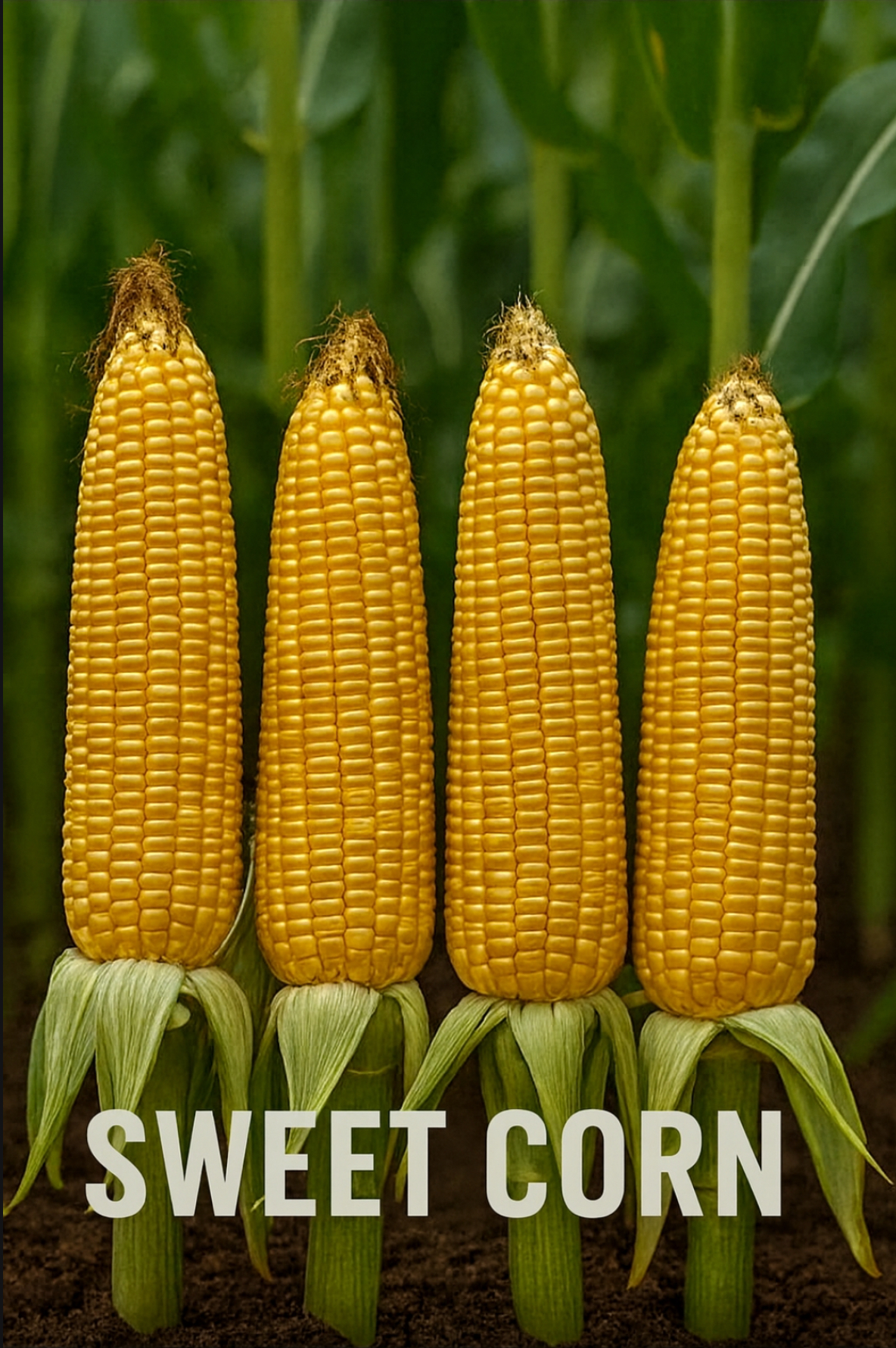
Sweet Corn

Planting Time Sweet corn loves warm soil and sunshine, so plant it after frost danger has skedaddled. Soil temperature should be at least sixty degrees. Corn is a sprinter once it warms, rather having, growing tall enough to block your view of the barn before you know it. For earlier harvests, plant successive rows every week or two.

Depth & Spacing Plant kernels one to one and one half inches deep and space plants eight to twelve inches apart in rows thirty inches apart. Corn prefers company; it pollinates best in blocks, not long lonely rows. Planting in squares or short clusters helps kernels fill out plump and perfect.

Soil & Fertilization Sweet corn thrives in rich, well drained soil with lots of organic matter. Corn is a heavy feeder, so mix in compost or a balanced fertilizer before planting. Too little nutrition results in pale leaves and skimpy ears. Feed it well and it will reward you with ears sweeter than summer lemonade.

Watering Needs Keep soil evenly moist, especially during flowering and fruit set. Dry spells make kernels shrink and toughen up. Deep waterings encourage strong roots and juicy ears. Think long drinks, not sips-like a cowboy after a dusty trail ride.

Sunlight Requirements Corn needs full sun and plenty of it. Six to eight hours a day is the bare minimum. Sunshine grows tall stalks, plump ears, and sweet kernels. Shade will stunt corn faster than a tight pair of boots on a hot day.

Harvesting Harvest when silks turn brown and ears feel full. A quick test is to pop a kernel with your fingernail-if the juice is milky, it is prime picking time. Sweet corn waits for no one; harvest promptly or the sugars turn starchy. Enjoy it fresh-it is at its sweetest within hours of picking.

Captain Greenhouse Tip For fuller ears and better pollination, plant in blocks of at least four rows rather than one long line. Corn relies on wind to spread pollen, and tight blocks catch more of it. And if you really want to impress, light a little firework with great professional-your stalks will grow tall enough to make you feel like you live in a corn maze.

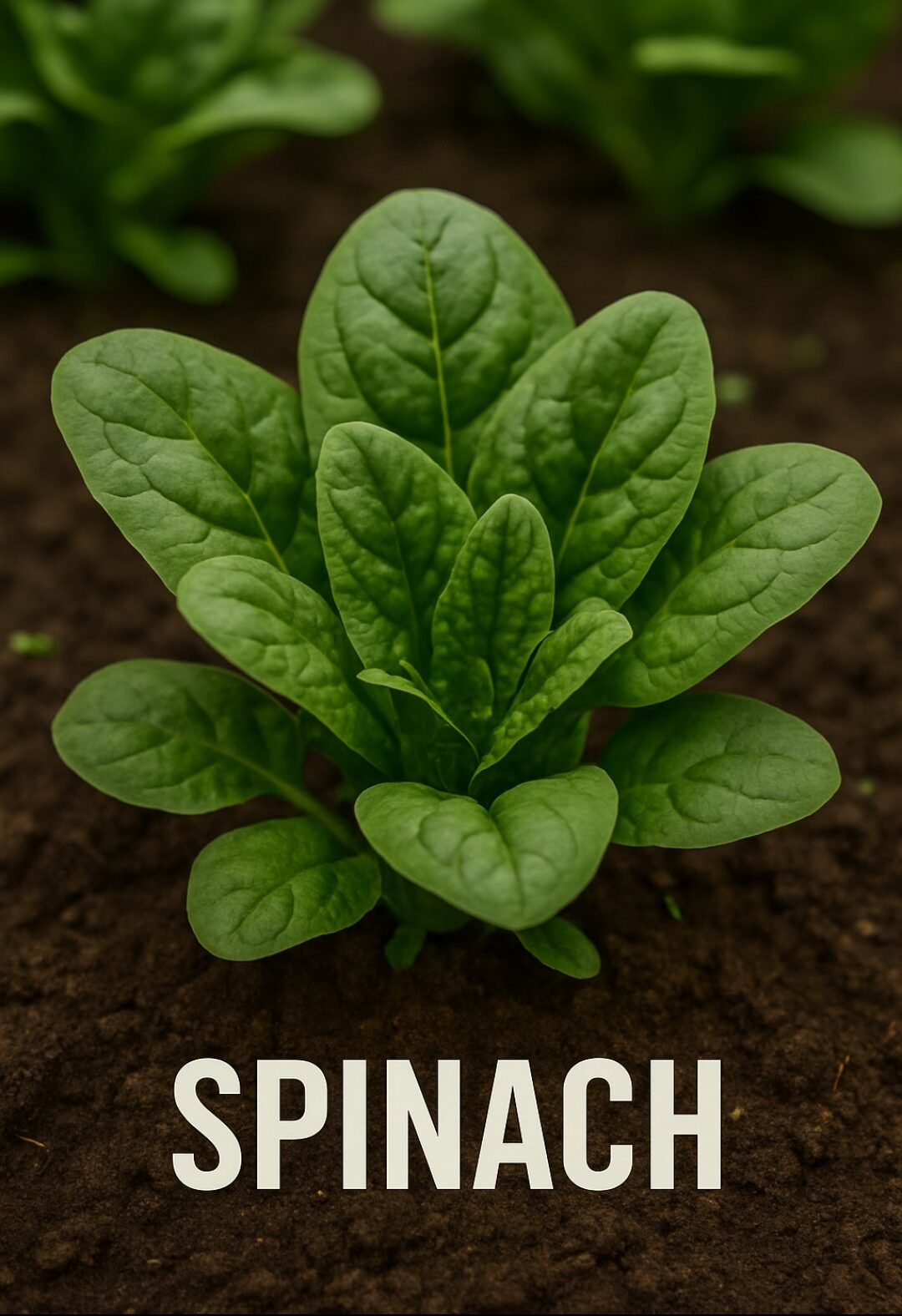
Spinach

Planting Time Spinach loves cool weather. Plant it early spring or fall. Once it is hotter than a goat in a skillet, spinach will throw a fit, bolt skyward, and quit on you.

Depth & Spacing Plant seeds one-half inch deep and about four to six inches apart. Give each plant a little elbow room.

Soil & Fertilization Spinach wants rich, loose soil with lots of compost. Nitrogen early so the leaves grow big. Keep the soil fluffy, not heavy.

Watering Needs Water steady and deep. Keep soil evenly moist. Water at the base and keep leaves dry to avoid funky fungus.

Sunlight Requirements Full sun to partial shade. Give it some afternoon shade if temps spike.

Harvesting Start harvesting when leaves reach the size of your palm or bigger. Pick the outer leaves first and let the center keep growing. Do not wait too long or the leaves will taste bitter.

Troubleshooting Watch out for leaf miners, aphids, and varmints. Rotate crops yearly and keep the soil cool. If the plant starts stretching tall, it’s bolting—pull it and replant.

Captain Greenhouse Tip If your spinach bolts, pull it up, toss it to the chickens, and plant another round. Time your plantings early, late, and never in the heat.

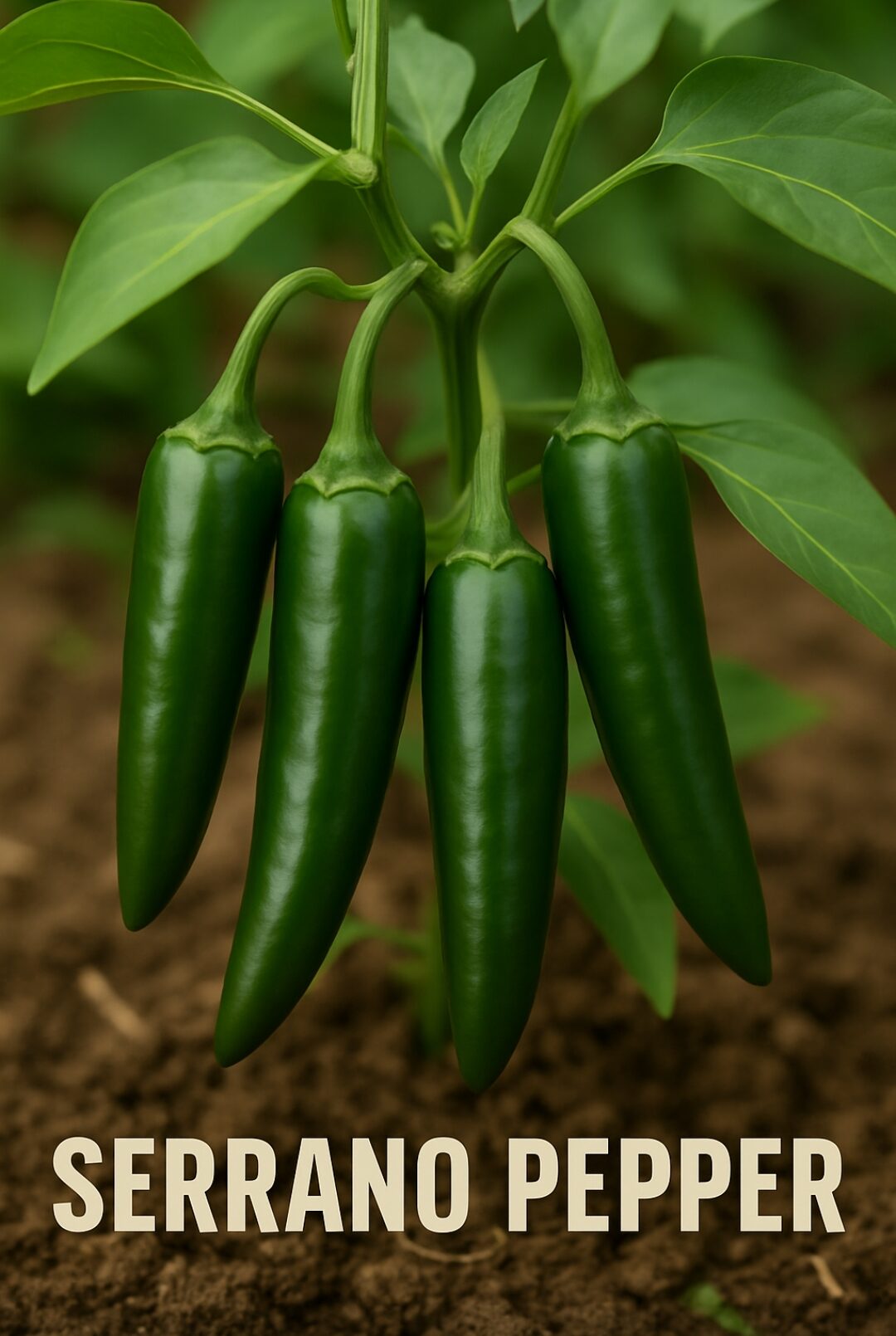
Serrano Pepper

Planting Time Serrano peppers thrive when the soil is warm and the frost is long gone. Start seeds indoors eight to ten weeks before planting and move them outside once overnight temperatures stay above fifty-five degrees. These peppers love heat like a cowboy loves a campfire on a chilly night.

Depth & Spacing Transplant seedlings at the same depth they grew indoors and space them eighteen inches apart. Serranos need just enough elbow room to stretch and build those spicy green rockets. Crowding them will slow production faster than a tractor running out of fuel.

Soil & Fertilization Serrano peppers prefer well drained soil enriched with compost. Avoid overfeeding with nitrogen or you will grow a jungle of leaves without many peppers. Steady, balanced feeding keeps the plants productive and the heat level right where you want it.

Watering Needs Water consistently but let the soil dry slightly between watering. Too much water will dilute the heat, and too little can make the peppers so spicy that it could wake the dead. A balanced moisture level gives you flavorful peppers without turning your taste buds into fireworks.

Sunlight Requirements Give serranos full sun for at least six to eight hours daily. The more sun they get, the better and more flavorful they become. Shade them, and you will end up with mild peppers that barely qualify as a dare.

Harvesting Harvest serranos when they reach full size and turn a deep green or red. Use snips to avoid damaging the plant. Wear gloves unless you enjoy discovering just how many glands on your body can feel pepper burn. Serranos may be smaller than some peppers, but they make up for it with attitude.

Captain Greenhouse Tip If you want peppers that will make your friends question their life choices, give your serrano plants just enough stress by allowing the soil to dry slightly before watering. This boosts their heat level without harming the plant. Grow several plants and you will have enough spice to fuel every chili pot, taco night, and daredevil taste test in the neighborhood.

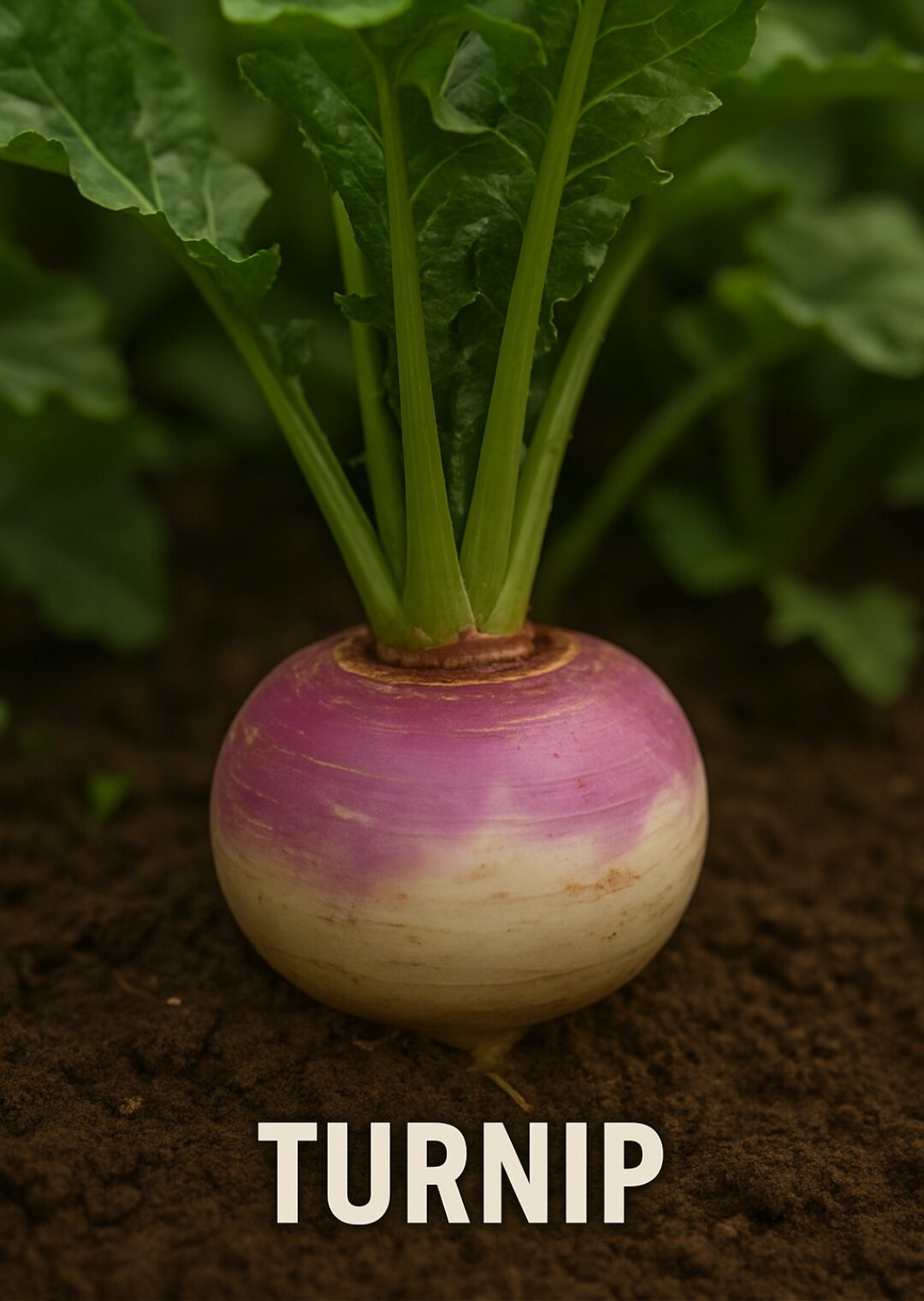
Turnip

Planting Time Turnips are cooler than a coon dog sleeping under the porch, and they love that early spring or fall air. Plant them early. These little root rascals pop up faster than gossip at a family reunion.

Depth & Spacing Sow seeds one-half inch deep and about an inch apart. Thin seedlings to three or four inches once they get going. Rows should be one foot apart.

Soil & Fertilization Turnips thrive in loose, rich soil that drains like a churn. Too much nitrogen will give you giant green tops and a root the size of a ball. Add compost and keep things balanced.

Watering Needs Give turnips one inch of water a week. Keep the soil moist like a church washcloth, but not a soggy sponge. Mulch helps lock in moisture.

Sunlight Requirements Turnips enjoy full sun but can handle a little shade if the heat starts behaving. Six to eight hours of sun will give you sweet, tasty roots.

Harvesting Harvest turnips when roots reach two to three inches wide. Pull gently. The greens look great, and you can snip some for cooking.

Troubleshooting Watch for flea beetles, aphids, and root maggots. Rotate crops yearly to keep the soil healthy.

Captain Greenhouse Tip Grow turnips in raised beds for easier harvesting and sweeter roots. Plant both for greens and roots.

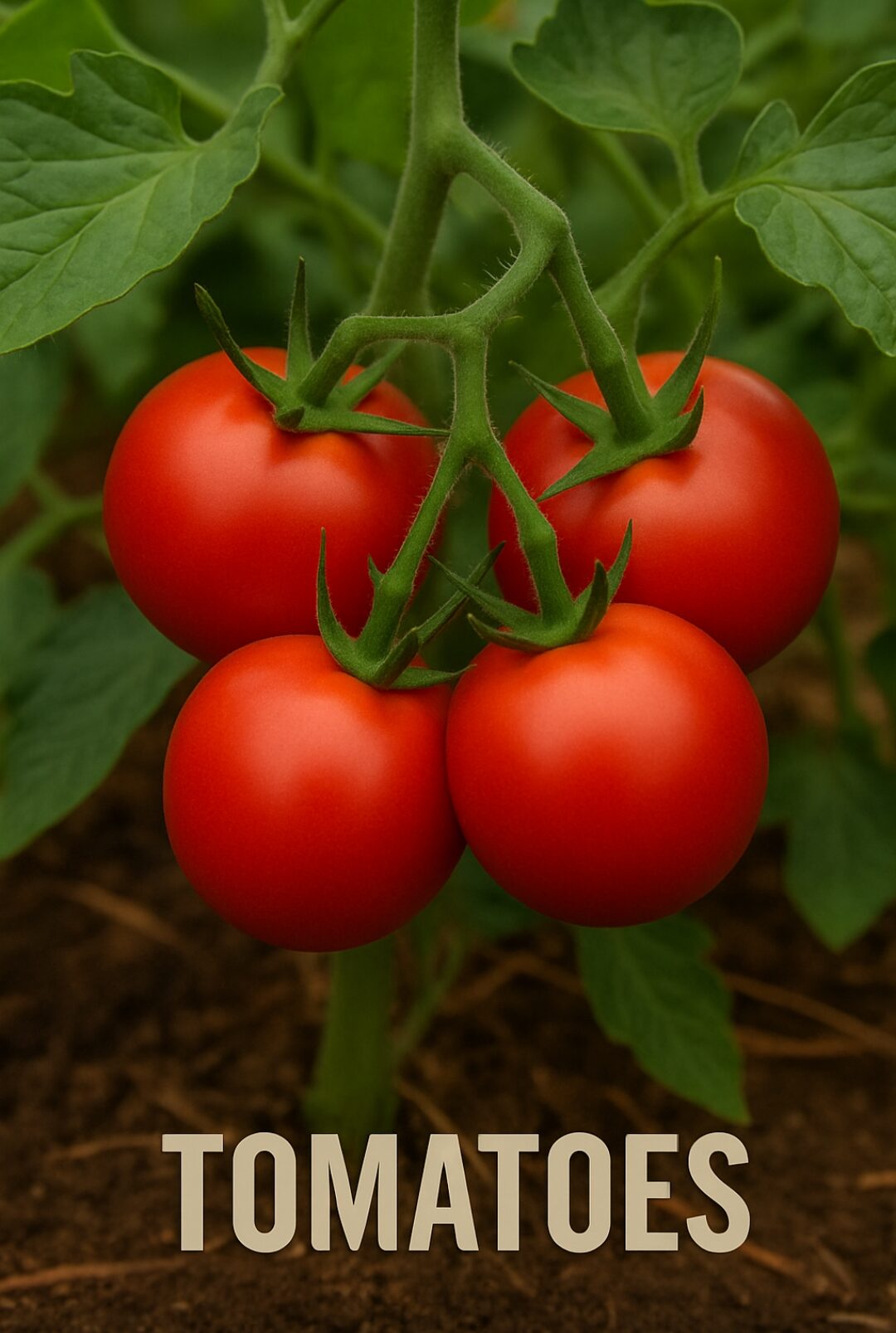
Tomatoes

Planting Time Tomatoes are warm weather divas and refuse to perform until the soil is good and warm. Plant them after all danger of frost is gone and nighttime temperatures stay above fifty degrees. Start seeds indoors six to eight weeks early for a head start. Cold soil makes tomatoes sulk like a cowboy stuck doing dishes, so warmth is the key.

Depth & Spacing Tomato seedlings love a deep seat, so bury the stem up to the first true leaves. This encourages strong roots and anchors the plant better than a ranch concrete. Space plants twenty-four to thirty-six inches apart. Give tomatoes room to stretch or they will tangle up like horses fighting over the same feed bucket.

Soil & Fertilization Tomatoes thrive in rich, well drained soil with plenty of compost mixed in. They are hungry plants, so a balanced fertilizer helps them produce fruit worth bragging about. Avoid overdoing nitrogen or you will end up with leaves the size of comforters, blankets, and hardly any tomatoes. Balanced feeding equals big harvests and even bigger smiles.

Watering Needs Water tomatoes at the base to avoid wetting the leaves. Consistent moisture prevents blossom end rot and keeps plants from acting dramatic. Let the soil dry slightly between waterings. Mulch helps hold moisture and keeps weeds from inviting themselves to the party like nosy neighbors.

Sunlight Requirements Tomatoes need full sun, soaking up six to eight hours a day. The more sunlight they get, the juicier and sweeter the tomatoes become. Shade results in fewer fruits and plants that curl like a ranch hand missing his coffee. Sunlight turns tomatoes from shy to showstoppers.

Harvesting Harvest tomatoes when they are fully colored, fragrant, and slightly soft to the touch. A ripe tomato slips off the vine easily. If squirrels and birds start showing interest, pick tomatoes just as they break and let them finish ripening indoors. Nothing beats the flavor of a sun ripened tomato straight from your own garden.

Captain Greenhouse Tip For tomatoes that taste like pure summer, prune lower leaves to improve airflow and reduce disease. Stake or cage your plants to keep fruit off the ground. Adding a small scoop of calcium powder to your planting boosts strength and helps produce deep red, flavorful tomatoes. Grow a few varieties and you will feel like the tomato king of the county.

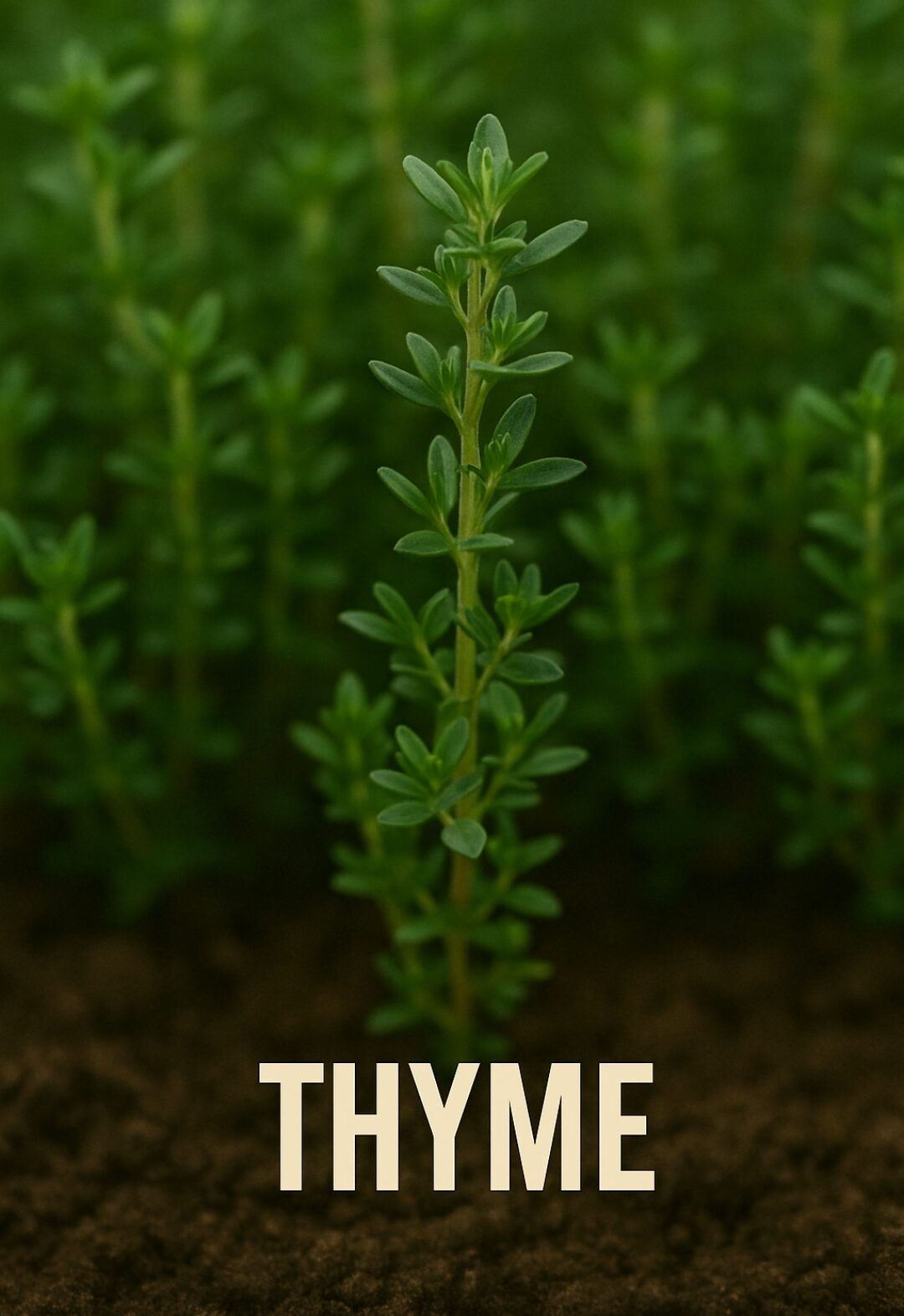
Thyme

Planting Time Thyme is a hardy little herb that thrives when planted in early spring once the soil starts warming. It prefers mild weather and settles in quickly, acting like the calm, dependable ranch hand of the herb world. Thyme handles cool nights just fine but enjoys sunshine during the day. Planting early gives it all season to spread and thicken.

Depth & Spacing Plant thyme at the same depth it grew in its pot. Space plants twelve to eighteen inches apart. Thyme hates being crowded more than a waiter hated by a lazy dog. They stay low, stay put, and don’t cause trouble. Giving each plant space keeps airflow strong and prevents crowding.

Soil & Fertilization Thyme prefers light, well drained soil with minimal fertilizer. Too much feeding makes it grow soft and leggy instead of compact and flavorful. A small amount of compost at planting is enough. Thyme grows best when the soil is lean and the sun is bright, giving leaves strong aroma and bold flavor.

Watering Needs Thyme is drought tolerant once established. Water regularly during early growth, then let the soil dry slightly between waterings. Overwatering creates soggy roots and weak plants. Think of thyme like a desert cowboy-it appreciates a drink now and then, but it sure doesn’t want to sit in mud.

Sunlight Requirements Full sun produces the strongest flavor and best growth. Thyme tolerates partial shade, but too much shade reduces its aroma. This herb thrives when it soaks up sunshine most of the day. Strong light keeps it compact, healthy, and full of culinary power.

Harvesting Harvest sprigs once plants reach four to six inches tall. Clip stems early in the day for maximum flavor. Regular harvesting encourages new growth and keeps thyme from getting woody. You can dry thyme easily or use it fresh in roasts, soups, stews, and anything needing a punch of earthy goodness.

Captain Greenhouse Tip Thyme thrives when you trim it lightly and often. Avoid letting it bloom too much if you want the strongest flavor. Planting thyme along walkways lets you brush it with your boots and release its scent. With just a little attention, thyme becomes a long-lived herb that works harder than a ranch hand during roundup season.

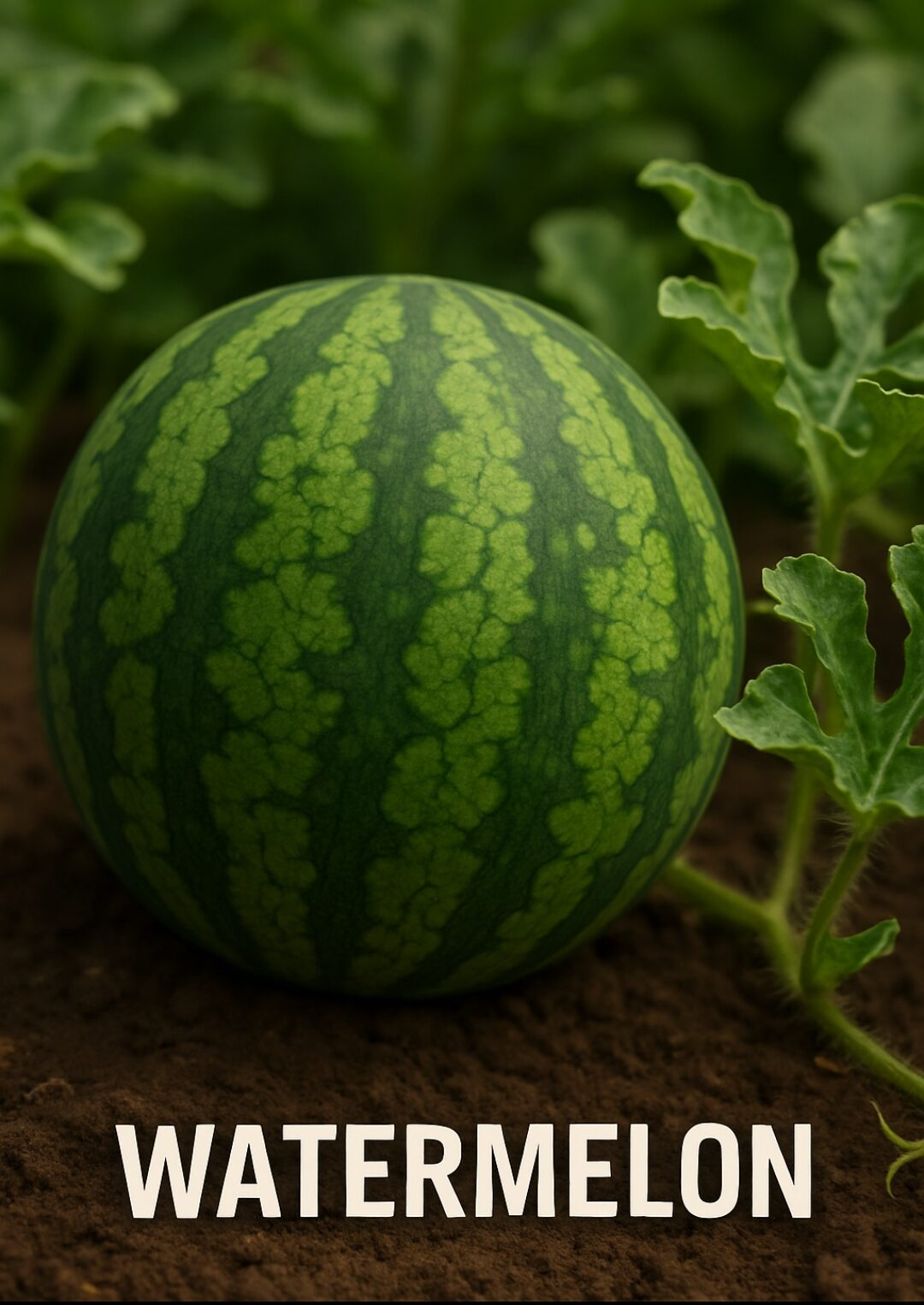
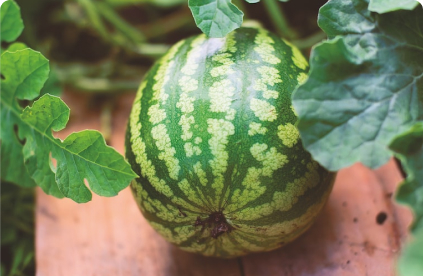
Watermelon

Planting Time Watermelons are hotter than a billygoat in a pepper patch. They will not sprout until soil temps hit at least 70 degrees. Plant in late spring once the soil is warm enough to fry an egg on a tractor hood.

Depth & Spacing Plant each seed 1 inch deep and 3 feet apart. Rows should be 6 to 8 feet apart. Watermelons need elbow room, leg room, and emotional space to grow big enough to break a picnic table.

Soil & Fertilization Watermelons thrive in rich, sandy soil with loads of compost mixed in. Feed with nitrogen early, then switch to phosphorus and potassium when the vines start blooming. Over-fertilizing with nitrogen late will give you beautiful vines and watermelons the size of golf balls.

Watering Needs Steady water is key. Give them about 1 to 2 inches a week. Water at the base and keep the leaves dry to avoid mildew. Mulching helps the soil stay moist longer than a preacher’s sermon.

Sunlight Requirements These melons want full sun all day long. Six to eight hours minimum. The more sun they get, the sweeter they become. Shade will make them grow slower than a three-legged turtle pushing a wheelbarrow.

Harvesting Harvest when the tendril nearest the melon turns brown, the underside turns creamy yellow, and the melon thumps like a good bass drum at a honky-tonk. Never pull—cut the stem clean to avoid bruising your hard-earned prize.

Troubleshooting Watch out for cucumber beetles, squash bugs, and nosy raccoons with a sweet tooth. Keep soil steady and those melons will grow rounder than Uncle Larry’s belly after chili night.

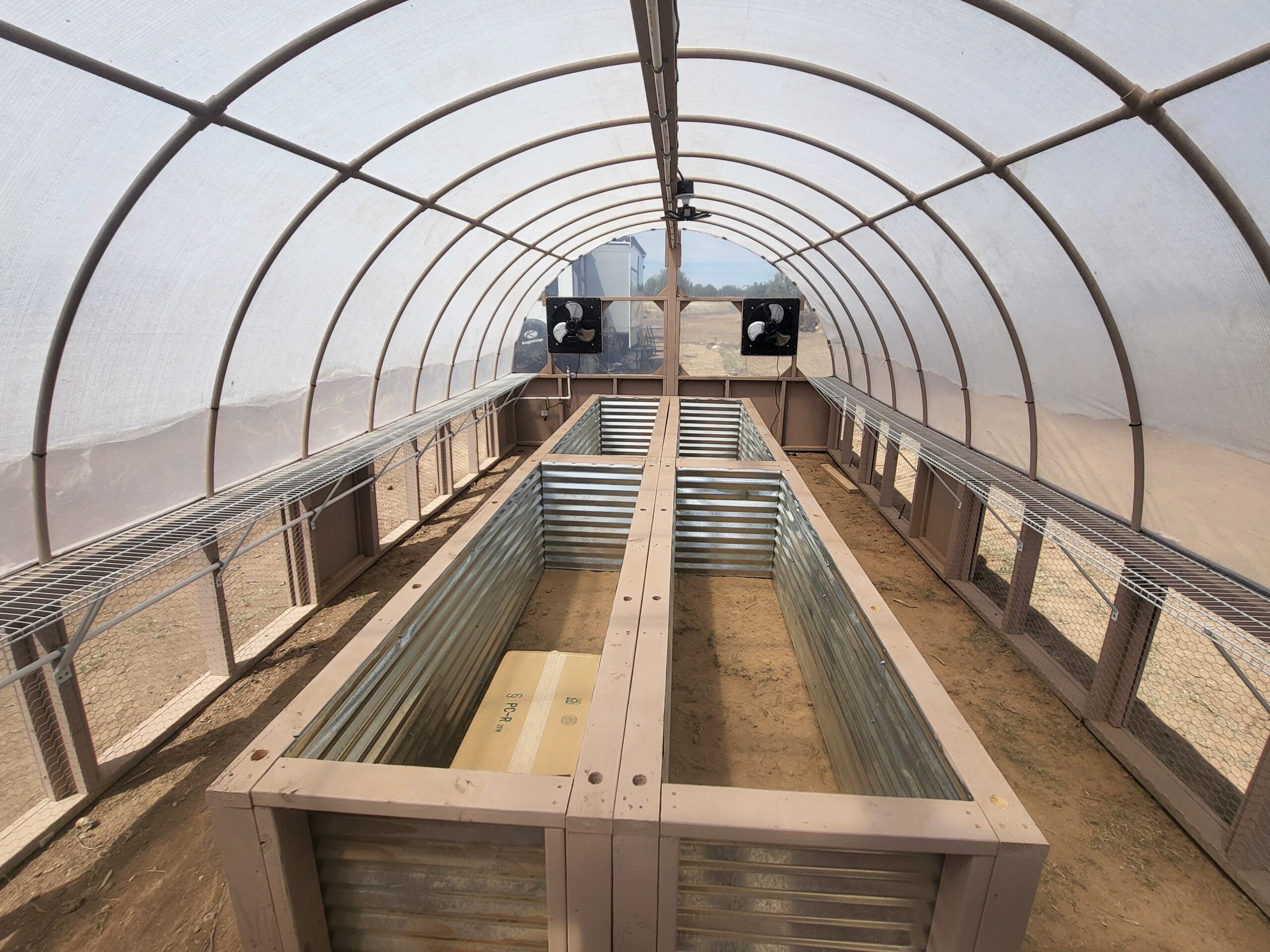
Captain Greenhouse Tip Grow watermelons in a greenhouse. Use raised beds, prune vines lightly, and give them plenty of airflow. Hand-pollinate the flowers or use a fan to blow pollen around for maximum sweetness.

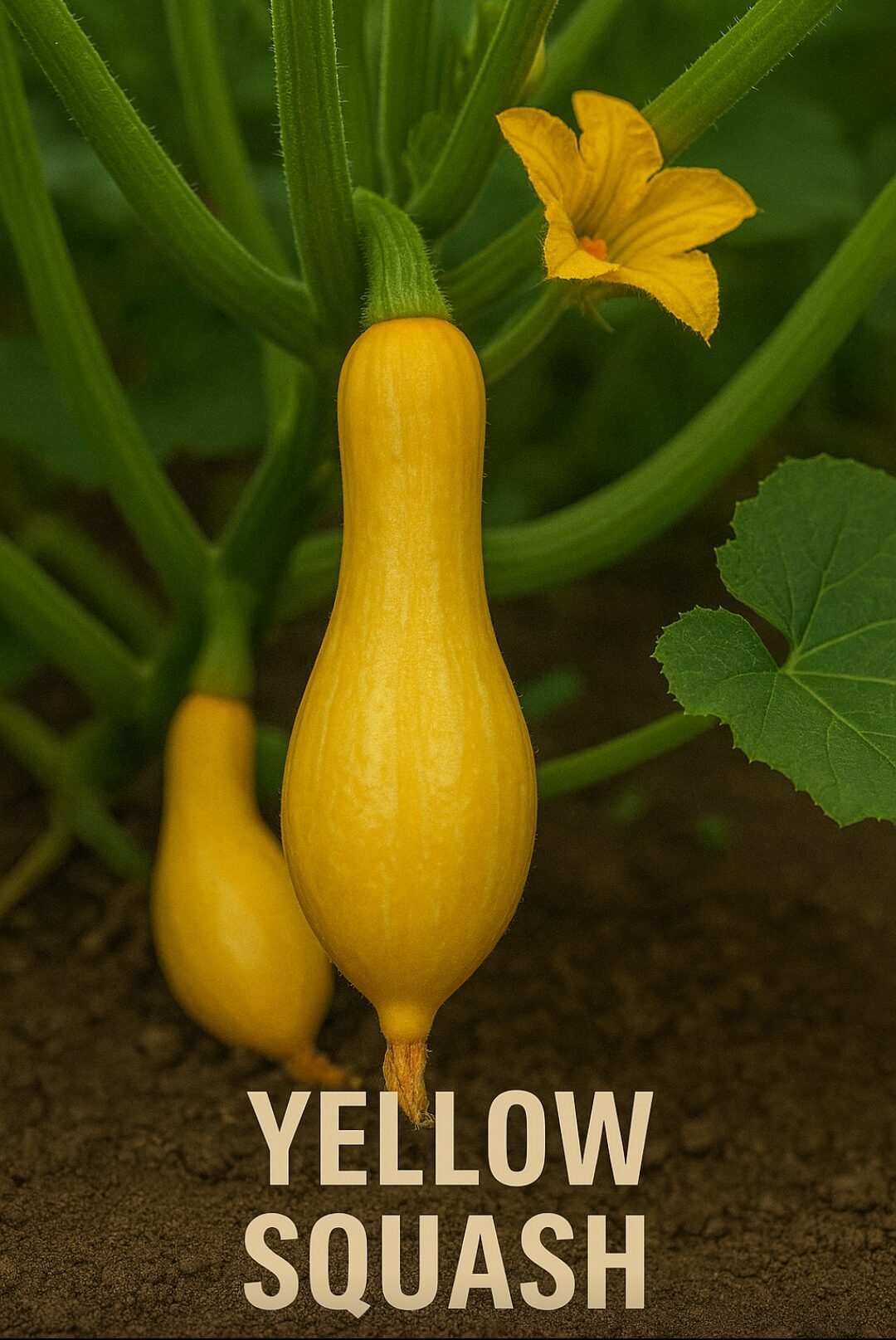
Yellow Squash

Planting Time Yellow Squash is a sun-lover and hotter than a two-dollar pistol. Do not plant it until the soil is warmer than $70^\circ\text{F}$. Plant seeds or transplants in late spring or early summer.

Depth & Spacing Plant seeds one inch deep in hills or rows. Thin to 2 plants per hill. Space plants 3 to 4 feet apart, or 3 feet apart in rows. They need room to sprawl like a family on a picnic blanket.

Soil & Fertilization Yellow Squash loves rich, well-drained soil with a heap of compost mixed in. Feed them a balanced fertilizer when the plants start blooming. Avoid heavy nitrogen fertilizer or you will get big leaves and little squash.

Watering Needs Water steadily and deep. Give them about 1 inch of water per week. Water at the base, keeping the leaves dry to avoid mildew. Mulching helps keep the soil moist and cool.

Sunlight Requirements Full sun all the time. Six to eight hours minimum.

Harvesting Harvest squash when they are small and tender, typically six to eight inches long. The smaller, the sweeter. Check daily because they grow faster than a politician’s promise.

Troubleshooting Watch out for squash bugs and squash vine borers. Squash vine borers will kill the plant overnight. Cover new transplants with row covers to deter the pests.

Captain Greenhouse Tip Yellow Squash can be hand-pollinated in the greenhouse for bigger fruit. Use a small paintbrush to move pollen from the male flowers to the female flowers.

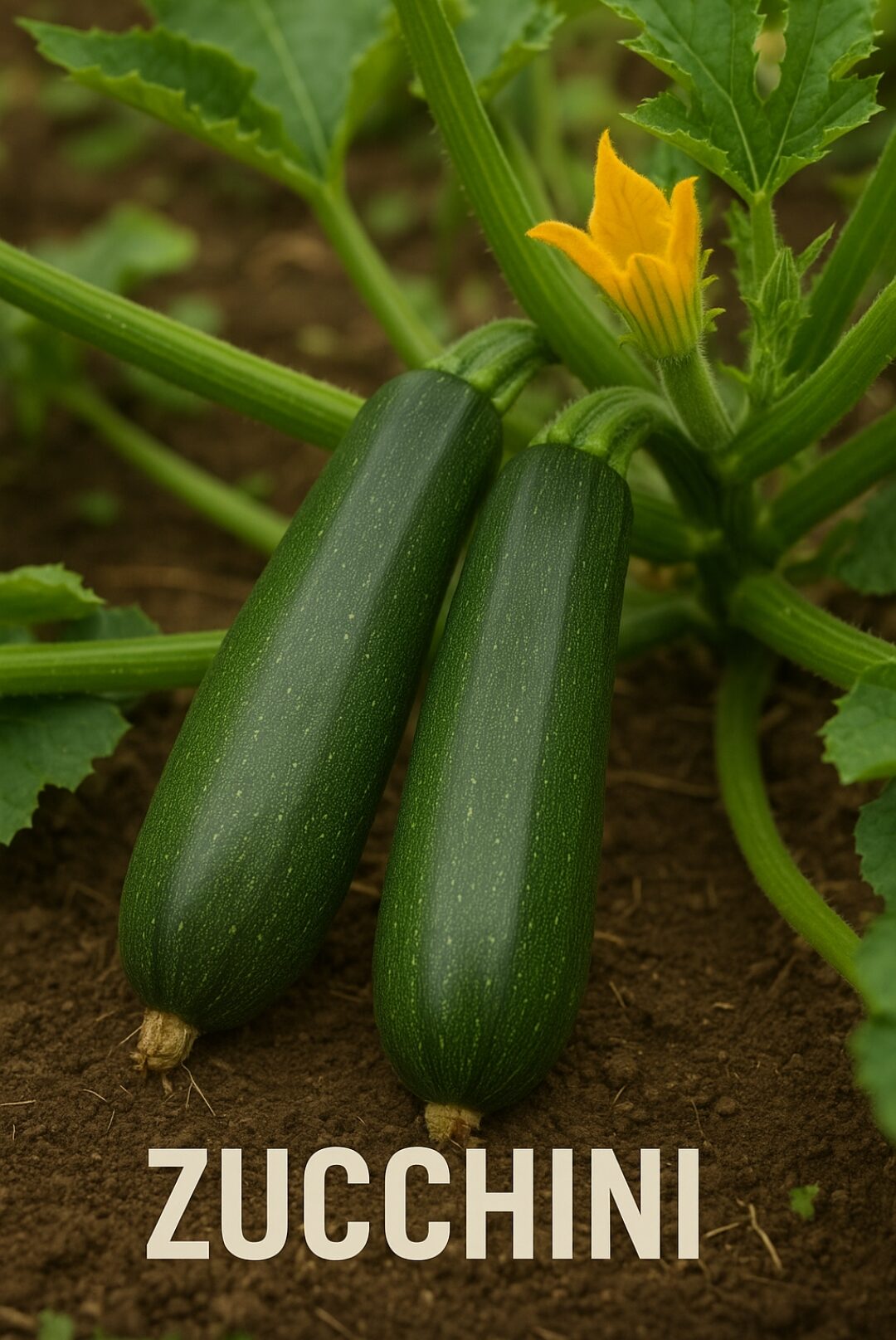
Zucchini

Planting Time Zucchini jumps into action the moment warm weather shows up. Plant it after the last frost when the soil feels warm enough. These plants love heat, sunshine, and attention.

Depth & Spacing Plant seeds one inch deep and space plants about thirty inches apart. Zucchini grows faster than gossip in a small town. Give each plant elbow room or they’ll tangle up and start feuding.

Soil & Fertilization Rich, well-draining soil mixed with compost or aged manure will make zucchini happier. Add a nitrogen boost early on, then ease up once the plants start flowering. Too much late nitrogen gives you big leaves and tiny zucchini.

Watering Needs Water deep and steady at the base of the plant. Zucchini likes about one inch of water per week. Keep the leaves dry to avoid powdery mildew creeping in.

Sunlight Requirements Zucchini needs six to eight hours of sunshine each day. Shade turns them moody and unproductive. Put them in full sun and they’ll churn out zucchini quicker than folks say, “I already have six zucchini in my fridge!”.

Harvesting Pick zucchini when they reach six to eight inches long for the best flavor. Wait too long and you’ll grow green baseball bats. Daily harvesting keeps plants producing and stops them from switching into lazy-old-mule mode.

Growing Tips Mulch around the base to lock in moisture and keep weeds. Watch for squash vine borers and squash bugs. Rotate planting spots yearly to avoid soil issues.

Captain Greenhouse Tip Plant two or three zucchini and you’ll have enough to feed your family, your neighbors, and anyone thinking about cutting back on carbs.

Recent Posts