

 Call To Schedule A Tour
Take A Look Through Our
Planting
- Heavenly Hoop Houses
- Dec 08, 2025
Raspberry
Planting Time Raspberries thrive when planted in early spring or late fall while the soil is cool and manageable. These canes settle in quickly, sending roots deep like they are putting down a mortgage. Once they are established, raspberries grow with the enthusiasm of a cowboy bringing in a big delicious harvest every summer or everbearing varieties depending on how long you want your harvest season.
Depth & Spacing Plant canes at the same depth they grew in their nursery pots. Space them eighteen to twenty four inches apart in rows that sit six to eight feet apart. Raspberries spread through underground runners, so give them room or they will take over the yard faster than gossip spreads in a small town diner.
Soil & Fertilization Raspberries prefer rich, well drained soil with plenty of organic matter. Add compost before planting and avoid heavy nitrogen fertilizers that grow leaves the size of saddle blankets but offer little fruit. Balanced nutrition encourages firm, juicy berries that taste like sweet summer sunshine.
Watering Needs Consistent moisture is key. Water deeply once or twice a week depending on heat, keeping the soil evenly moist. Dry spells produce tiny berries with no attitude, while overwatering invites root rot disease. Think steady and reliable, like a surefooted horse on a narrow trail.
Sunlight Requirements Raspberries produce best in full sun, though they will tolerate light shade. Six to eight hours of sun is what daily gives you plump, boldly flavored berries that shame store bought fruits in sour berries that taste like disappointment. Light and warmth bring out their sweetness.
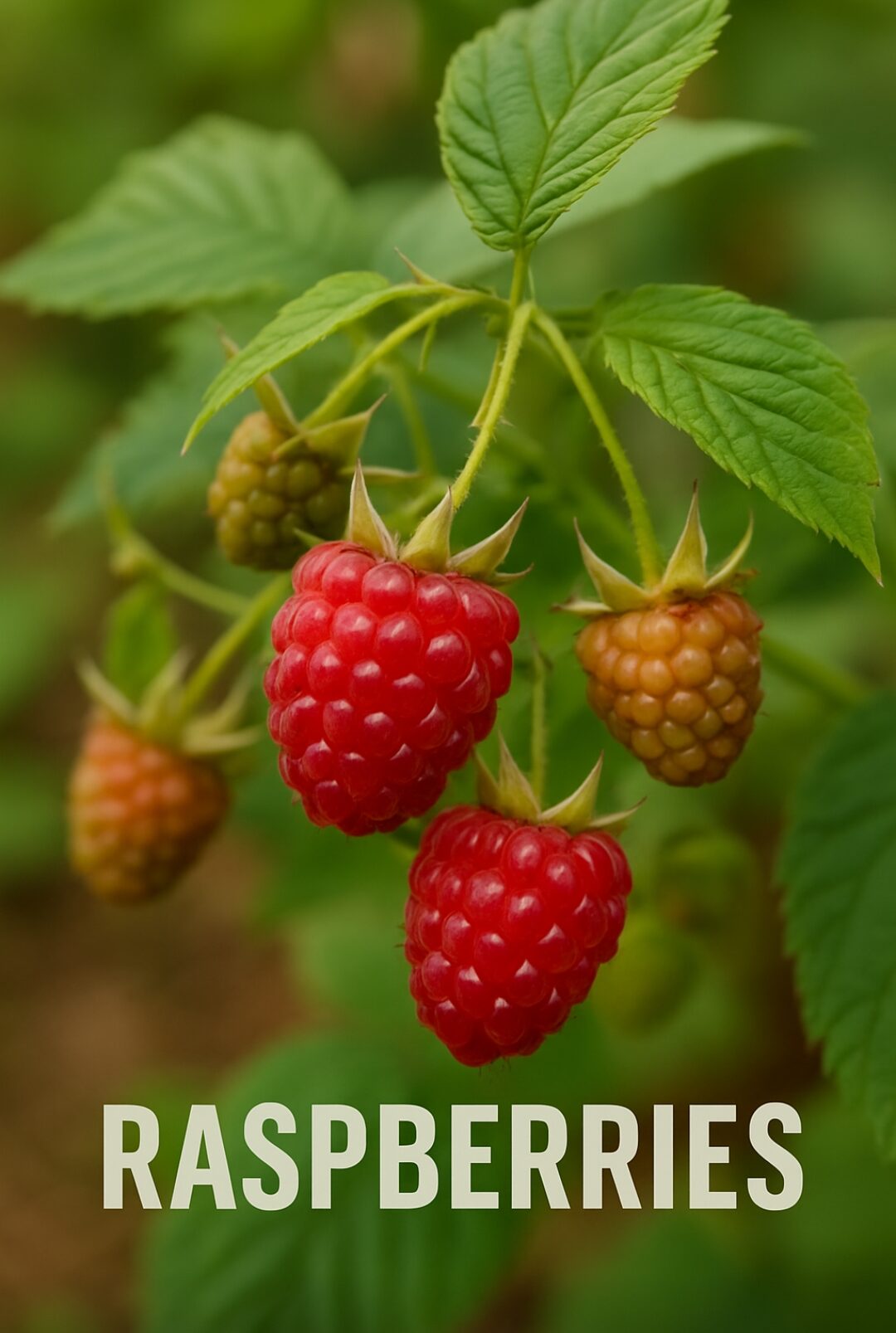
Harvesting Harvest raspberries when they turn deep red, pull away easily from the core, and feel soft but not mushy. Ripe berries melt in your mouth and stain your fingers like a badge of honor. Pick often-ripe raspberries do not wait around. Birds know when they are ready too, so keep an eye out!
Captain Greenhouse Tip Mulch heavily around raspberry plants to hold moisture, keep weeds at bay, and cool their shallow roots. Prune spent canes after harvesting to encourage new growth for the next season. With a little raspberry plants will produce baskets per year, rewarding you with berries so good you might not even make it back to the house before eating them.